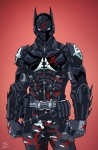
Folks, this is Aleena.
I am posting her sheet here for those who are from Breachill to know her and, if they want, incorporate her in their stories.
I will formally write her backsotry, but I already placed the basics above.
What I did not say is that she works as an assistant to the town's doctor and she is clear that she intends to answer the Call for Heroes in order to keep the heroes alive (some are certain to be her friends, all are good people).
PS: This is not yet vetted by Yullybear, so there can be changes.
[ +- ] Pathfinder 2
Create character
[ +- ] Visions
She usually talks in her sleep, in Draconic. The contents of those "conversations" are usually related to phylosophy, arcana or historical events.
[_=She usually talks in her sleep, in Draconic. The contents of those "conversations" are usually related to phylosophy, arcana or historical events.]
[ +- ] Edict & Anathema
Edicts
Go out of her way to help good people in need / Go out of her way to punish evil people who harmed good people
Anathemas
Willingly abandoning good people in need / Willingly sparing of harm evil people that harmed good people
Area of Concern
She seeks to protect good people and do as much destruction as possible to evil people, foiling their schemes.
Notes
She believes that harming actual evil people is fine and, in fact, a commendable deed.
[b]Edicts[/b]
[_= Go out of her way to help good people in need / Go out of her way to punish evil people who harmed good people]
[b]Anathemas[/b]
[_= Willingly abandoning good people in need / Willingly sparing of harm evil people that harmed good people]
[b]Area of Concern[/b]
[_=She seeks to protect good people and do as much destruction as possible to evil people, foiling their schemes.]
[b]Notes[/b]
[_=She believes that harming actual evil people is fine and, in fact, a commendable deed.]
[ +- ] Languages
Taldane (Common)
Draconic
Elven
Goblin
[_=Taldane (Common)]
[_=Draconic]
[_=Elven]
[_=Goblin]
[ +- ] Description
Aleena is a very beautiful young human of average height with long black hair that is usually in a bit of a mess, white skin, deep blue eyes, a dragon tattoo in her left arm and is usually seen either reading or carrying books.
[_=Aleena is a very beautiful young human of average height with long black hair that is usually in a bit of a mess, white skin, deep blue eyes, a dragon tattoo in her left arm and is usually seen either reading or carrying books.]
[table]
[b]Name[/b]|[_name=Aleena Smith]|[b]Class[/b]|[_clss=Oracle (Lore Mystery)]|[b]Ancestry[/b]|[_=Human (Versatile Heritage)]
[b]Background[/b]|[_back=Bibliophile]|[b]Worship[/b]|[_patron=None]|[b]Gender[/b]|[_=Female]
[b]Size[/b]|[_=Medium]|[b]Height[/b]|[_=1.74m (5.7ft)]|[b]Weight[/b]|[_=62 Kg (136.6lbs)]
[b]Base Speed[/b]|[_bspd=25] feet [_$=floor(bspd/5)] squares|[b]Traits[/b]|[_=Human, Humanoid]||
[b]HP max[/b]|[_hpm=17]|[b]Level[/b]|[_lvl=1]|[b]Hero Points[/b]|[_=1/3]
[/table]
[2column]
[col]
[snippet="Visions"]
[_=She usually talks in her sleep, in Draconic. The contents of those "conversations" are usually related to phylosophy, arcana or historical events.]
[/snippet]
[snippet="Edict & Anathema"]
[b]Edicts[/b]
[_= Go out of her way to help good people in need / Go out of her way to punish evil people who harmed good people]
[b]Anathemas[/b]
[_= Willingly abandoning good people in need / Willingly sparing of harm evil people that harmed good people]
[b]Area of Concern[/b]
[_=She seeks to protect good people and do as much destruction as possible to evil people, foiling their schemes.]
[b]Notes[/b]
[_=She believes that harming actual evil people is fine and, in fact, a commendable deed.]
[/snippet]
[/col]
[col]
[snippet="Languages"]
[_=Taldane (Common)]
[_=Draconic]
[_=Elven]
[_=Goblin]
[/snippet]
[snippet="Description"]
[_=Aleena is a very beautiful young human of average height with long black hair that is usually in a bit of a mess, white skin, deep blue eyes, a dragon tattoo in her left arm and is usually seen either reading or carrying books.]
[/snippet]
[/col]
[/2column]
[ +- ] Condition Traits
| Blinded | You can't see. All normal terrain is difficult terrain to you. You can't detect anything using vision. You automatically critically fail Perception checks that require you to be able to see, and if vision is your only precise sense, you take a –4 status penalty to Perception checks. You are immune to visual effects. Blinded overrides dazzled.
|
| Broken | A condition that affects only objects. An object is broken when damage has reduced its Hit Points to equal or less than its Broken Threshold. A broken object can't be used for its normal function, nor does it grant bonuses— with the exception of armor. Broken armor still grants its item bonus to AC, but it also imparts a status penalty to AC depending on its category: –1 for broken light armor, –2 for broken medium armor, or –3 for broken heavy armor.
|
| Clumsy | Your movements become clumsy and inexact. Clumsy always includes a value. You take a status penalty equal to the condition value to Dexterity-based rolls and DCs, including AC, Reflex saves, ranged attack rolls, and skill checks using Acrobatics, Stealth, and Thievery.
|
| Concealed | You are difficult for one or more creatures to see due to thick fog or some other obscuring feature. You can be concealed to some creatures but not others. While concealed, you can still be observed, but you're tougher to target. A creature that you're concealed from must succeed at a DC 5 flat check when targeting you with an attack, spell, or other effect. If the check fails, you aren't affected. Area effects aren't subject to this flat check.
|
| Confused | You don't have your wits about you, and you attack wildly. You are off-guard, you don't treat anyone as your ally (though they might still treat you as theirs), and you can't Delay, Ready, or use reactions.
|
| You use all your actions to Strike or cast offensive cantrips, though the GM can have you use other actions to facilitate attack, such as draw a weapon, move so target is in reach, and so forth. Your targets are determined randomly by the GM. If you have no other viable targets, you target yourself, automatically hitting but not scoring a critical hit. If it's impossible for you to attack or cast spells, you babble incoherently, wasting your actions.
|
| Each time you take damage from an attack or spell, you can attempt a DC 11 flat check to recover from your confusion and end the condition.
|
| Controlled | You have been commanded, magically dominated, or otherwise had your will subverted. The controller dictates how you act and can make you use any of your actions, including attacks, reactions, or even Delay. The controller usually doesn't have to spend their own actions when controlling you.
|
| Dazzled | Your eyes are overstimulated or your vision is swimming. If vision is your only precise sense, all creatures and objects are concealed from you.
|
| Deafened | You can't hear. You automatically critically fail Perception checks that require you to be able to hear. You take a –2 status penalty to Perception checks for initiative and checks that involve sound but also rely on other senses. If you perform an action that has the auditory trait, you must succeed at a DC 5 flat check or the action is lost; attempt the check after spending the action but before any effects are applied. You are immune to auditory effects while deafened.
|
| Doomed | Your soul has been gripped by a powerful force that calls you closer to death. Doomed always includes a value. The dying value at which you die is reduced by your doomed value. If your maximum dying value is reduced to 0, you instantly die. When you die, you're no longer doomed.
|
| Your doomed value decreases by 1 each time you get a full night's rest.
|
| Drained | Your health and vitality have been depleted as you've lost blood, life force, or some other essence. Drained always includes a value. You take a status penalty equal to your drained value on Constitution-based rolls and DCs, such as Fortitude saves. You also lose a number of Hit Points equal to your level (minimum 1) times the drained value, and your maximum Hit Points are reduced by the same amount. For example, if you become drained 3 and you're a 3rd-level character, you lose 9 Hit Points and reduce your maximum Hit Points by 9. Losing these Hit Points doesn't count as taking damage.
|
| Each time you get a full night's rest, your drained value decreases by 1. This increases your maximum Hit Points, but you don't immediately recover the lost Hit Points.
|
| Dying | You are bleeding out or otherwise at death's door. While you have this condition, you are unconscious. Dying always includes a value, and if it ever reaches dying 4, you die. When you're dying, you must attempt a recovery check at the start of your turn each round to determine whether you get better or worse. Your dying condition increases by 1 if you take damage while dying, or by 2 if you take damage from an enemy's critical hit or a critical failure on your save.
|
| If you lose the dying condition by succeeding at a recovery check and are still at 0 Hit Points, you remain unconscious, but you can wake up as described in that condition. You lose the dying condition automatically and wake up if you ever have 1 Hit Point or more. Any time you lose the dying condition, you gain the wounded 1 condition, or increase your wounded condition value by 1 if you already have that condition.
|
| Encumbered | You are carrying more weight than you can manage. While you're encumbered, you're clumsy 1 and take a 10-foot penalty to all your Speeds. As with all penalties to your Speed, this can't reduce your Speed below 5 feet.
|
| Enfeebled | You're physically weakened. Enfeebled always includes a value. When you are enfeebled, you take a status penalty equal to the condition value to Strength-based rolls and DCs, including Strength-based melee attack rolls, Strength-based damage rolls, and Athletics checks.
|
| Fascinated | You're compelled to focus your attention on something, distracting you from whatever else is going on around you. You take a –2 status penalty to Perception and skill checks, and you can't use concentrate actions unless they (or their intended consequences) are related to the subject of your fascination, as determined by the GM. For instance, you might be able to Seek and Recall Knowledge about the subject, but you likely couldn't cast a spell targeting a different creature. This condition ends if a creature uses hostile actions against you or any of your allies.
|
| Fatigued | You're tired and can't summon much energy. You take a –1 status penalty to AC and saving throws. You can't use exploration activities performed while traveling, such as those on pages 438–439.
|
| You recover from fatigue after a full night's rest.
|
| Fleeing | You're forced to run away due to fear or some other compulsion. On your turn, you must spend each of your actions trying to escape the source of the fleeing condition as expediently as possible (such as by using move actions to flee, or opening doors barring your escape). The source is usually the effect or creature that gave you the condition, though some effects might define something else as the source. You can't Delay or Ready while fleeing.
|
| Friendly | This condition reflects a creature's disposition toward a particular character, and only supernatural effects (like a spell) can impose this condition on a PC. A creature that is friendly to a character likes that character. It is likely to agree to Requests from that character as long as they are simple, safe, and don't cost too much to fulfill. If the character (or one of their allies) uses hostile actions against the creature, the creature gains a worse attitude condition depending on the severity of the hostile action, as determined by the GM.
|
| Frightened | You're gripped by fear and struggle to control your nerves. The frightened condition always includes a value. You take a status penalty equal to this value to all your checks and DCs. Unless specified otherwise, at the end of each of your turns, the value of your frightened condition decreases by 1.
|
| Grabbed | You're held in place by another creature, giving you the off-guard and immobilized conditions. If you attempt a manipulate action while grabbed, you must succeed at a DC 5 flat check or it is lost; roll the check after spending the action, but before any effects are applied.
|
| Hidden | While you're hidden from a creature, that creature knows the space you're in but can't tell precisely where you are. You typically become hidden by using Stealth to Hide. When Seeking a creature using only imprecise senses, it remains hidden, rather than observed. A creature you're hidden from is off-guard to you, and it must succeed at a DC 11 flat check when targeting you with an attack, spell, or other effect or it fails to affect you. Area effects aren't subject to this flat check.
|
| A creature might be able to use the Seek action to try to observe you.
|
| Hostile | This condition reflects a creature's disposition toward a particular character, and only supernatural effects (like a spell) can impose on a PC. A creature hostile to a character actively seeks to harm that character. It doesn't necessarily attack, but it won't accept Requests from the character.
|
| Immobilized | You are incapable of movement. You can't use any actions that have the move trait. If you're immobilized by something holding you in place and an external force would move you out of your space, the force must succeed at a check against either the DC of the effect holding you in place or the relevant defense (usually Fortitude DC) of the monster holding you in place. |
| Indifferent | This condition reflects a creature's disposition toward a particular character, and only supernatural effects (like a spell) can impose this condition on a PC. A creature that is indifferent to a character doesn't really care one way or the other about that character. Assume a creature's attitude to a given character is indifferent unless specified otherwise.
|
| Invisible | You can't be seen. You're undetected to everyone. Creatures can Seek to detect you; if a creature succeeds at its Perception check against your Stealth DC, you become hidden to that creature until you Sneak to become undetected again. If you become invisible while someone can already see you, you start out hidden to them (instead of undetected) until you successfully Sneak. You can't become observed while invisible except via special abilities or magic.
|
| Observed | Anything in plain view is observed by you. If a creature takes measures to avoid detection, such as by using Stealth to Hide, it can become hidden or undetected instead of observed. If you have another precise sense besides sight, you might be able to observe a creature or object using that sense instead. You can observe a creature with only your precise senses. When Seeking a creature using only imprecise senses, it remains hidden, rather than observed.
|
| Off-Guard | You're distracted or otherwise unable to focus your full attention on defense. You take a –2 circumstance penalty to AC. Some effects give you the off-guard condition only to certain creatures or against certain attacks. Others—especially conditions—can make you off-guard against everything. If a rule doesn't specify that the condition applies only to certain circumstances, it applies to all of them, such as "The target is off-guard."
|
| Paralyzed | You're frozen in place. You have the off-guard condition and can't act except to Recall Knowledge and use actions that require only your mind (as determined by the GM). Your senses still function, but only in the areas you can perceive without moving, so you can't Seek.
|
| Persistent Damage | You are taking damage from an ongoing effect, such as from being lit on fire. This appears as "X persistent [type] damage," where "X" is the amount of damage dealt and "[type]" is the damage type. Like normal damage, it can be doubled or halved based on the results of an attack roll or saving throw. Instead of taking persistent damage immediately, you take it at the end of each of your turns as long as you have the condition, rolling any damage dice anew each time. After you take persistent damage, roll a DC 15 flat check to see if you recover from the persistent damage. If you succeed, the condition ends. ...
|
| Petrified | You have been turned to stone. You can't act, nor can you sense anything. You become an object with a Bulk double your normal Bulk (typically 12 for a petrified Medium creature or 6 for a petrified Small creature), AC 9, Hardness 8, and the same current Hit Points you had when alive. You don't have a Broken Threshold. When the petrified condition ends, you have the same number of Hit Points you had as a statue. If the statue is destroyed, you immediately die. While petrified, your mind and body are in stasis, so you don't age or notice the passing of time.
|
| Prone | You're lying on the ground. You are off-guard and take a –2 circumstance penalty to attack rolls. The only move actions you can use while you're prone are Crawl and Stand. Standing up ends the prone condition. You can Take Cover while prone to hunker down and gain greater cover against ranged attacks, even if you don't have an object to get behind, which grants you a +4 circumstance bonus to AC against ranged attacks (but you remain off-guard).
|
| If you would be knocked prone while you're Climbing or Flying, you fall. You can't be knocked prone when Swimming.
|
| Quickened | You're able to act more quickly. You gain 1 additional action at the start of your turn each round. Many effects that make you quickened require you use this extra action only in certain ways. If you become quickened from multiple sources, you can use the extra action you've been granted for any single action allowed by any of the effects that made you quickened. Because quickened has its effect at the start of your turn, you don't immediately gain actions if you become quickened during your turn.
|
| Restrained | You're tied up and can barely move, or a creature has you pinned. You have the off-guard and immobilized conditions, and you can't use any attack or manipulate actions except to attempt to Escape or Force Open your bonds. Restrained overrides grabbed.
|
| Sickened | You feel ill. Sickened always includes a value. You take a status penalty equal to this value on all your checks and DCs. You can't willingly ingest anything—including elixirs and potions—while sickened.
|
| You can spend a single action retching in an attempt to recover, which lets you immediately attempt a Fortitude save against the DC of the effect that made you sickened. On a success, you reduce your sickened value by 1 (or by 2 on a critical success).
|
| Slowed | You have fewer actions. Slowed always includes a value. When you regain your actions, reduce the number of actions regained by your slowed value. Because you regain actions at the start of your turn, you don't immediately lose actions if you become slowed during your turn.
|
| Stunned | You've become senseless. You can't act. Stunned usually includes a value, which indicates how many total actions you lose, possibly over multiple turns, from being stunned. Each time you regain actions, reduce the number you regain by your stunned value, then reduce your stunned value by the number of actions you lost. For example, if you were stunned 4, you would lose all 3 of your actions on your turn, reducing you to stunned 1; on your next turn, you would lose 1 more action, and then be able to use your remaining 2 actions normally. Stunned might also have a duration instead, such as "stunned for 1 minute," causing you to lose all your actions for the duration.
|
| Stunned overrides slowed. If the duration of your stunned condition ends while you are slowed, you count the actions lost to the stunned condition toward those lost to being slowed. So, if you were stunned 1 and slowed 2 at the beginning of your turn, you would lose 1 action from stunned, and then lose only 1 additional action by being slowed, so you would still have 1 action remaining to use that turn.
|
| Stupefied | Your thoughts and instincts are clouded. Stupefied always includes a value. You take a status penalty equal to this value on Intelligence-, Wisdom-, and Charisma-based rolls and DCs, including Will saving throws, spell attack modifiers, spell DCs, and skill checks that use these attribute modifiers. Any time you attempt to Cast a Spell while stupefied, the spell is disrupted unless you succeed at a flat check with a DC equal to 5 + your stupefied value.
|
| Unconscious | You're sleeping or have been knocked out. You can't act. You take a –4 status penalty to AC, Perception, and Reflex saves, and you have the blinded and off-guard conditions. When you gain this condition, you fall prone and drop items you're holding unless the effect states otherwise or the GM determines you're positioned so you wouldn't.
|
| If you're unconscious because you're dying, you can't wake up while you have 0 Hit Points. If you are restored to 1 Hit Point or more, you lose the dying and unconscious conditions and can act normally on your next turn.
|
| If you are unconscious and at 0 Hit Points, but not dying, you return to 1 Hit Point and awaken after sufficient time passes. The GM determines how long you remain unconscious, from a minimum of 10 minutes to several hours. If you are healed, you lose the unconscious condition and can act normally on your next turn.
|
| ...
|
| Undetected | When you are undetected by a creature, that creature can't see you at all, has no idea what space you occupy, and can't target you, though you still can be affected by abilities that target an area. When you're undetected by a creature, that creature is off-guard to you.
|
| A creature you're undetected by can guess which square you're in to try targeting you. It must pick a square and attempt an attack. This works like targeting a hidden creature (requiring a DC 11 flat check, as described under Detecting Creatures), but the flat check and attack roll are rolled in secret by the GM, who doesn't reveal whether the attack missed due to failing the flat check, failing the attack roll, or choosing the wrong square. They can Seek to try to find you.
|
| Unfriendly | This condition reflects a creature's disposition toward a particular character, and only supernatural effects (like a spell) can impose this condition on a PC. A creature that is unfriendly to a character dislikes and distrusts that character. The unfriendly creature won't accept Requests from the character.
|
| Unnoticed | If you're unnoticed by a creature, that creature has no idea you're present. When you're unnoticed, you're also undetected. This matters for abilities that can be used only against targets totally unaware of your presence.
|
| Wounded | You have been seriously injured. If you lose the dying condition and do not already have the wounded condition, you become wounded 1. If you already have the wounded condition when you lose the dying condition, your wounded condition value increases by 1. If you gain the dying condition while wounded, increase your dying condition value by your wounded value.
|
| The wounded condition ends if someone successfully restores Hit Points to you using Treat Wounds, or if you are restored to full Hit Points by any means and rest for 10 minutes. |
[2column]
[col]
[b]HP 10x[/b] [_d0=0/1]0. [_d1=0/1]1. [_d2=0/1]2. [_d3=0/1]3. [_d4=0/1]4. [_d5=0/1]5. [_d6=0/1]6. [_d7=0/1]7. [_d8=0/1]8. [_d9=0/1]9.
[b]Unities[/b] [_u0=0/1].0 [_u1=0/1].1 [_u2=0/1].2 [_u3=0/1].3 [_u4=0/1].4 [_u5=0/1].5 [_u6=0/1].6 [_u7=1/1].7 [_u8=0/1].8 [_u9=0/1].9
[b]HP[/b]: [_hpl$=d1*10+d2*20+d3*30+d4*40+d5*50+d6*60+d7*70+d8*80+d9*90+u1+u2*2+u3*3+u4*4+u5*5+u6*6+u7*7+u8*8+u9*9]/[_$=hpm] - [b]non-lethal dmg[/b] [_nld=] — [b]Hp Left[/b] [_$=hpl-nld]
[/col]
[col]
[b]AC[/b]: [b]Regular[/b] [_rac=15], [i][_=Neg AC Cond.][/i] [_ftm=0/3], [i]Off-Guard[/i] [_$=rac-ftm-2]
[b]Speed[/b] Modifier [_mspd=0] Actual [_actspd$=bspd+mspd] feet [_$=floor(actspd/5)] squares
[_=Condition] [_=0/3] - [_=Condition] [_=0/3] - [_=Condition] [_=0/3]
[/col]
[/2column]
[spoiler="Condition Traits"]
[2column]
[col]
[table]
Blinded|You can't see. All normal terrain is difficult terrain to you. You can't detect anything using vision. You automatically critically fail Perception checks that require you to be able to see, and if vision is your only precise sense, you take a –4 status penalty to Perception checks. You are immune to visual effects. Blinded overrides dazzled.
Broken|A condition that affects only objects. An object is broken when damage has reduced its Hit Points to equal or less than its Broken Threshold. A broken object can't be used for its normal function, nor does it grant bonuses— with the exception of armor. Broken armor still grants its item bonus to AC, but it also imparts a status penalty to AC depending on its category: –1 for broken light armor, –2 for broken medium armor, or –3 for broken heavy armor.
Clumsy|Your movements become clumsy and inexact. Clumsy always includes a value. You take a status penalty equal to the condition value to Dexterity-based rolls and DCs, including AC, Reflex saves, ranged attack rolls, and skill checks using Acrobatics, Stealth, and Thievery.
Concealed|You are difficult for one or more creatures to see due to thick fog or some other obscuring feature. You can be concealed to some creatures but not others. While concealed, you can still be observed, but you're tougher to target. A creature that you're concealed from must succeed at a DC 5 flat check when targeting you with an attack, spell, or other effect. If the check fails, you aren't affected. Area effects aren't subject to this flat check.
Confused|You don't have your wits about you, and you attack wildly. You are off-guard, you don't treat anyone as your ally (though they might still treat you as theirs), and you can't Delay, Ready, or use reactions.
|You use all your actions to Strike or cast offensive cantrips, though the GM can have you use other actions to facilitate attack, such as draw a weapon, move so target is in reach, and so forth. Your targets are determined randomly by the GM. If you have no other viable targets, you target yourself, automatically hitting but not scoring a critical hit. If it's impossible for you to attack or cast spells, you babble incoherently, wasting your actions.
|Each time you take damage from an attack or spell, you can attempt a DC 11 flat check to recover from your confusion and end the condition.
Controlled|You have been commanded, magically dominated, or otherwise had your will subverted. The controller dictates how you act and can make you use any of your actions, including attacks, reactions, or even Delay. The controller usually doesn't have to spend their own actions when controlling you.
Dazzled|Your eyes are overstimulated or your vision is swimming. If vision is your only precise sense, all creatures and objects are concealed from you.
Deafened|You can't hear. You automatically critically fail Perception checks that require you to be able to hear. You take a –2 status penalty to Perception checks for initiative and checks that involve sound but also rely on other senses. If you perform an action that has the auditory trait, you must succeed at a DC 5 flat check or the action is lost; attempt the check after spending the action but before any effects are applied. You are immune to auditory effects while deafened.
Doomed|Your soul has been gripped by a powerful force that calls you closer to death. Doomed always includes a value. The dying value at which you die is reduced by your doomed value. If your maximum dying value is reduced to 0, you instantly die. When you die, you're no longer doomed.
|Your doomed value decreases by 1 each time you get a full night's rest.
Drained|Your health and vitality have been depleted as you've lost blood, life force, or some other essence. Drained always includes a value. You take a status penalty equal to your drained value on Constitution-based rolls and DCs, such as Fortitude saves. You also lose a number of Hit Points equal to your level (minimum 1) times the drained value, and your maximum Hit Points are reduced by the same amount. For example, if you become drained 3 and you're a 3rd-level character, you lose 9 Hit Points and reduce your maximum Hit Points by 9. Losing these Hit Points doesn't count as taking damage.
|Each time you get a full night's rest, your drained value decreases by 1. This increases your maximum Hit Points, but you don't immediately recover the lost Hit Points.
Dying|You are bleeding out or otherwise at death's door. While you have this condition, you are unconscious. Dying always includes a value, and if it ever reaches dying 4, you die. When you're dying, you must attempt a recovery check at the start of your turn each round to determine whether you get better or worse. Your dying condition increases by 1 if you take damage while dying, or by 2 if you take damage from an enemy's critical hit or a critical failure on your save.
|If you lose the dying condition by succeeding at a recovery check and are still at 0 Hit Points, you remain unconscious, but you can wake up as described in that condition. You lose the dying condition automatically and wake up if you ever have 1 Hit Point or more. Any time you lose the dying condition, you gain the wounded 1 condition, or increase your wounded condition value by 1 if you already have that condition.
Encumbered|You are carrying more weight than you can manage. While you're encumbered, you're clumsy 1 and take a 10-foot penalty to all your Speeds. As with all penalties to your Speed, this can't reduce your Speed below 5 feet.
Enfeebled|You're physically weakened. Enfeebled always includes a value. When you are enfeebled, you take a status penalty equal to the condition value to Strength-based rolls and DCs, including Strength-based melee attack rolls, Strength-based damage rolls, and Athletics checks.
Fascinated|You're compelled to focus your attention on something, distracting you from whatever else is going on around you. You take a –2 status penalty to Perception and skill checks, and you can't use concentrate actions unless they (or their intended consequences) are related to the subject of your fascination, as determined by the GM. For instance, you might be able to Seek and Recall Knowledge about the subject, but you likely couldn't cast a spell targeting a different creature. This condition ends if a creature uses hostile actions against you or any of your allies.
Fatigued|You're tired and can't summon much energy. You take a –1 status penalty to AC and saving throws. You can't use exploration activities performed while traveling, such as those on pages 438–439.
|You recover from fatigue after a full night's rest.
Fleeing|You're forced to run away due to fear or some other compulsion. On your turn, you must spend each of your actions trying to escape the source of the fleeing condition as expediently as possible (such as by using move actions to flee, or opening doors barring your escape). The source is usually the effect or creature that gave you the condition, though some effects might define something else as the source. You can't Delay or Ready while fleeing.
Friendly|This condition reflects a creature's disposition toward a particular character, and only supernatural effects (like a spell) can impose this condition on a PC. A creature that is friendly to a character likes that character. It is likely to agree to Requests from that character as long as they are simple, safe, and don't cost too much to fulfill. If the character (or one of their allies) uses hostile actions against the creature, the creature gains a worse attitude condition depending on the severity of the hostile action, as determined by the GM.
Frightened|You're gripped by fear and struggle to control your nerves. The frightened condition always includes a value. You take a status penalty equal to this value to all your checks and DCs. Unless specified otherwise, at the end of each of your turns, the value of your frightened condition decreases by 1.
Grabbed|You're held in place by another creature, giving you the off-guard and immobilized conditions. If you attempt a manipulate action while grabbed, you must succeed at a DC 5 flat check or it is lost; roll the check after spending the action, but before any effects are applied.
Hidden|While you're hidden from a creature, that creature knows the space you're in but can't tell precisely where you are. You typically become hidden by using Stealth to Hide. When Seeking a creature using only imprecise senses, it remains hidden, rather than observed. A creature you're hidden from is off-guard to you, and it must succeed at a DC 11 flat check when targeting you with an attack, spell, or other effect or it fails to affect you. Area effects aren't subject to this flat check.
|A creature might be able to use the Seek action to try to observe you.
Hostile|This condition reflects a creature's disposition toward a particular character, and only supernatural effects (like a spell) can impose on a PC. A creature hostile to a character actively seeks to harm that character. It doesn't necessarily attack, but it won't accept Requests from the character.
Immobilized|You are incapable of movement. You can't use any actions that have the move trait. If you're immobilized by something holding you in place and an external force would move you out of your space, the force must succeed at a check against either the DC of the effect holding you in place or the relevant defense (usually Fortitude DC) of the monster holding you in place.
[/table]
[/col]
[col]
[table]
Indifferent|This condition reflects a creature's disposition toward a particular character, and only supernatural effects (like a spell) can impose this condition on a PC. A creature that is indifferent to a character doesn't really care one way or the other about that character. Assume a creature's attitude to a given character is indifferent unless specified otherwise.
Invisible|You can't be seen. You're undetected to everyone. Creatures can Seek to detect you; if a creature succeeds at its Perception check against your Stealth DC, you become hidden to that creature until you Sneak to become undetected again. If you become invisible while someone can already see you, you start out hidden to them (instead of undetected) until you successfully Sneak. You can't become observed while invisible except via special abilities or magic.
Observed|Anything in plain view is observed by you. If a creature takes measures to avoid detection, such as by using Stealth to Hide, it can become hidden or undetected instead of observed. If you have another precise sense besides sight, you might be able to observe a creature or object using that sense instead. You can observe a creature with only your precise senses. When Seeking a creature using only imprecise senses, it remains hidden, rather than observed.
Off-Guard|You're distracted or otherwise unable to focus your full attention on defense. You take a –2 circumstance penalty to AC. Some effects give you the off-guard condition only to certain creatures or against certain attacks. Others—especially conditions—can make you off-guard against everything. If a rule doesn't specify that the condition applies only to certain circumstances, it applies to all of them, such as "The target is off-guard."
Paralyzed|You're frozen in place. You have the off-guard condition and can't act except to Recall Knowledge and use actions that require only your mind (as determined by the GM). Your senses still function, but only in the areas you can perceive without moving, so you can't Seek.
Persistent Damage|You are taking damage from an ongoing effect, such as from being lit on fire. This appears as "X persistent [type] damage," where "X" is the amount of damage dealt and "[type]" is the damage type. Like normal damage, it can be doubled or halved based on the results of an attack roll or saving throw. Instead of taking persistent damage immediately, you take it at the end of each of your turns as long as you have the condition, rolling any damage dice anew each time. After you take persistent damage, roll a DC 15 flat check to see if you recover from the persistent damage. If you succeed, the condition ends. ...
Petrified|You have been turned to stone. You can't act, nor can you sense anything. You become an object with a Bulk double your normal Bulk (typically 12 for a petrified Medium creature or 6 for a petrified Small creature), AC 9, Hardness 8, and the same current Hit Points you had when alive. You don't have a Broken Threshold. When the petrified condition ends, you have the same number of Hit Points you had as a statue. If the statue is destroyed, you immediately die. While petrified, your mind and body are in stasis, so you don't age or notice the passing of time.
Prone|You're lying on the ground. You are off-guard and take a –2 circumstance penalty to attack rolls. The only move actions you can use while you're prone are Crawl and Stand. Standing up ends the prone condition. You can Take Cover while prone to hunker down and gain greater cover against ranged attacks, even if you don't have an object to get behind, which grants you a +4 circumstance bonus to AC against ranged attacks (but you remain off-guard).
|If you would be knocked prone while you're Climbing or Flying, you fall. You can't be knocked prone when Swimming.
Quickened|You're able to act more quickly. You gain 1 additional action at the start of your turn each round. Many effects that make you quickened require you use this extra action only in certain ways. If you become quickened from multiple sources, you can use the extra action you've been granted for any single action allowed by any of the effects that made you quickened. Because quickened has its effect at the start of your turn, you don't immediately gain actions if you become quickened during your turn.
Restrained|You're tied up and can barely move, or a creature has you pinned. You have the off-guard and immobilized conditions, and you can't use any attack or manipulate actions except to attempt to Escape or Force Open your bonds. Restrained overrides grabbed.
Sickened|You feel ill. Sickened always includes a value. You take a status penalty equal to this value on all your checks and DCs. You can't willingly ingest anything—including elixirs and potions—while sickened.
|You can spend a single action retching in an attempt to recover, which lets you immediately attempt a Fortitude save against the DC of the effect that made you sickened. On a success, you reduce your sickened value by 1 (or by 2 on a critical success).
Slowed|You have fewer actions. Slowed always includes a value. When you regain your actions, reduce the number of actions regained by your slowed value. Because you regain actions at the start of your turn, you don't immediately lose actions if you become slowed during your turn.
Stunned|You've become senseless. You can't act. Stunned usually includes a value, which indicates how many total actions you lose, possibly over multiple turns, from being stunned. Each time you regain actions, reduce the number you regain by your stunned value, then reduce your stunned value by the number of actions you lost. For example, if you were stunned 4, you would lose all 3 of your actions on your turn, reducing you to stunned 1; on your next turn, you would lose 1 more action, and then be able to use your remaining 2 actions normally. Stunned might also have a duration instead, such as "stunned for 1 minute," causing you to lose all your actions for the duration.
|Stunned overrides slowed. If the duration of your stunned condition ends while you are slowed, you count the actions lost to the stunned condition toward those lost to being slowed. So, if you were stunned 1 and slowed 2 at the beginning of your turn, you would lose 1 action from stunned, and then lose only 1 additional action by being slowed, so you would still have 1 action remaining to use that turn.
Stupefied|Your thoughts and instincts are clouded. Stupefied always includes a value. You take a status penalty equal to this value on Intelligence-, Wisdom-, and Charisma-based rolls and DCs, including Will saving throws, spell attack modifiers, spell DCs, and skill checks that use these attribute modifiers. Any time you attempt to Cast a Spell while stupefied, the spell is disrupted unless you succeed at a flat check with a DC equal to 5 + your stupefied value.
Unconscious|You're sleeping or have been knocked out. You can't act. You take a –4 status penalty to AC, Perception, and Reflex saves, and you have the blinded and off-guard conditions. When you gain this condition, you fall prone and drop items you're holding unless the effect states otherwise or the GM determines you're positioned so you wouldn't.
|If you're unconscious because you're dying, you can't wake up while you have 0 Hit Points. If you are restored to 1 Hit Point or more, you lose the dying and unconscious conditions and can act normally on your next turn.
|If you are unconscious and at 0 Hit Points, but not dying, you return to 1 Hit Point and awaken after sufficient time passes. The GM determines how long you remain unconscious, from a minimum of 10 minutes to several hours. If you are healed, you lose the unconscious condition and can act normally on your next turn.
|...
Undetected|When you are undetected by a creature, that creature can't see you at all, has no idea what space you occupy, and can't target you, though you still can be affected by abilities that target an area. When you're undetected by a creature, that creature is off-guard to you.
|A creature you're undetected by can guess which square you're in to try targeting you. It must pick a square and attempt an attack. This works like targeting a hidden creature (requiring a DC 11 flat check, as described under Detecting Creatures), but the flat check and attack roll are rolled in secret by the GM, who doesn't reveal whether the attack missed due to failing the flat check, failing the attack roll, or choosing the wrong square. They can Seek to try to find you.
Unfriendly|This condition reflects a creature's disposition toward a particular character, and only supernatural effects (like a spell) can impose this condition on a PC. A creature that is unfriendly to a character dislikes and distrusts that character. The unfriendly creature won't accept Requests from the character.
Unnoticed|If you're unnoticed by a creature, that creature has no idea you're present. When you're unnoticed, you're also undetected. This matters for abilities that can be used only against targets totally unaware of your presence.
Wounded|You have been seriously injured. If you lose the dying condition and do not already have the wounded condition, you become wounded 1. If you already have the wounded condition when you lose the dying condition, your wounded condition value increases by 1. If you gain the dying condition while wounded, increase your dying condition value by your wounded value.
|The wounded condition ends if someone successfully restores Hit Points to you using Treat Wounds, or if you are restored to full Hit Points by any means and rest for 10 minutes.
[/table]
[/col]
[/2column]
[/spoiler]
[2column]
[col]
[table="rolls d20"]
Key|Ability|Score|Bonus
[_kstr=0/1]|Strength|[_str=10]|[_bstr$=+floor(str/2)-5]
[_kdex=0/1]|Dexterity|[_dex=12]|[_bdex$=+floor(dex/2)-5]
[_kcon=0/1]|Constitution|[_con=12]|[_bcon$=+floor(con/2)-5]
[_kint=0/1]|Intelligence|[_int=14]|[_bint$=+floor(int/2)-5]
[_kwis=0/1]|Wisdom|[_wis=12]|[_bwis$=+floor(wis/2)-5]
[_kcha=1/1]|Charisma|[_cha=18]|[_bcha$=+floor(cha/2)-5]
[/table]
[table="rolls d20"]
Skills|Proficiency|AC Pen.|Bonus
[b]Perception (wis)[/b]|[_sper=2/4]||[_bper$=+lookupBonus(sper,0,0,0,1,4,(sper*2)+lvl)+bwis]
[b]Fortitude (con)[/b]|[_sfrt=1/4]||[_bfrt$=+lookupBonus(sfrt,0,0,0,1,4,(sfrt*2)+lvl)+bcon]
[b]Reflex(dex)[/b]|[_srfl=1/4]||[_brfl$=+lookupBonus(srfl,0,0,0,1,4,(srfl*2)+lvl)+bdex]
[b]Will(wis)[/b]|[_swil=2/4]||[_bwil$=+lookupBonus(swil,0,0,0,1,4,(swil*2)+lvl)+bwis]
[/table]
[table]
Armors|Type||Weapon|Proficiency
[b]Unarmored[/b]|[_uac=1/4]||[b]Unarmed[/b]|[_c=1/4]
[b]Light[/b]|[_lac=1/4]||[b]Simple[/b]|[_c=1/4]
[b]Medium[/b]|[_mac=0/4]||[b]Martial[/b]|[_c=0/4]
[b]Heavy[/b]|[_hac=0/4]||[b][_=][/b]|[_c=0/4]
[/table]
[b]Key Ability[/b]: [_$=lookupBonus(kstr,0,0,'',1,1,'Strength')] [_$=lookupBonus(kdex,0,0,'',1,1,'Dexterity')] [_$=lookupBonus(kcon,0,0,'',1,1,'Constitution')] [_$=lookupBonus(kint,0,0,'',1,1,'Intelligence')] [_$=lookupBonus(kwis,0,0,'',1,1,'Wisdom')] [_$=lookupBonus(kcha,0,0,'',1,1,'Charisma')] - [b]Spell Type[/b] [_spltp=Divine]
[_cldc=1/4][b][_$=clss] class DC[/b] [_$=lookupBonus(kstr,0,0,0,1,1,bstr)+lookupBonus(kdex,0,0,0,1,1,bdex)+lookupBonus(kcon,0,0,0,1,1,bcon)+lookupBonus(kint,0,0,0,1,1,bint)+lookupBonus(kwis,0,0,0,1,1,bwis)+lookupBonus(kcha,0,0,0,1,1,bcha)+lookupBonus(cldc,0,0,0,1,4,(cldc*2)+lvl)+10]
[_spdc=1/4][b] [_$=spltp] spells DC[/b]: [_$=lookupBonus(spdc,0,0,'Not Used',1,4,lookupBonus(kstr,0,0,0,1,1,bstr)+lookupBonus(kdex,0,0,0,1,1,bdex)+lookupBonus(kcon,0,0,0,1,1,bcon)+lookupBonus(kint,0,0,0,1,1,bint)+lookupBonus(kwis,0,0,0,1,1,bwis)+lookupBonus(kcha,0,0,0,1,1,bcha)+lookupBonus(spdc,0,0,0,1,4,(spdc*2)+lvl+10))]
[/col]
[col]
[table="rolls d20"]
Skills|Proficiency|AC Pen.|Bonus
[b]Acrobatics (dex)[/b]|[_sacr=0/4]||[_bacr$=+lookupBonus(sacr,0,0,0,1,4,(sacr*2)+lvl)+bdex]
[b]Arcana (Int)[/b]|[_sarc=1/4]||[_barc$=+lookupBonus(sarc,0,0,0,1,4,(sarc*2)+lvl)+bint]
[b]Athletics (Str)[/b]|[_sath=0/4]||[_bath$=+lookupBonus(sath,0,0,0,1,4,(sath*2)+lvl)+bstr]
[b]Crafting (Int)[/b]|[_scra=0/4]||[_bcra$=+lookupBonus(scra,0,0,0,1,4,(scra*2)+lvl)+bint]
[b]Deception (Cha)[/b]|[_sdec=0/4]||[_bdec$=+lookupBonus(sdec,0,0,0,1,4,(sdec*2)+lvl)+bcha]
[b]Diplomacy (Cha)[/b]|[_sdip=1/4]||[_bdip$=+lookupBonus(sdip,0,0,0,1,4,(sdip*2)+lvl)+bcha]
[b]Intimidation (Cha)[/b]|[_snti=0/4]||[_bnti$=+lookupBonus(snti,0,0,0,1,4,(snti*2)+lvl)+bcha]
[b]Lore (Int)[/b]|[_slor=0/4]||[_blor$=+lookupBonus(slor,0,0,0,1,4,(slor*2)+lvl)+bint]
[b]Medicine (Wis)[/b]|[_smed=1/4]||[_bmed$=+lookupBonus(smed,0,0,0,1,4,(smed*2)+lvl)+bwis]
[b]Nature (Wis)[/b]|[_snat=0/4]||[_bnat$=+lookupBonus(snat,0,0,0,1,4,(snat*2)+lvl)+bwis]
[b]Occultism (Int)[/b]|[_socc=1/4]||[_bocc$=+lookupBonus(socc,0,0,0,1,4,(socc*2)+lvl)+bint]
[b]Performance (Cha)[/b]|[_sprf=0/4]||[_bprf$=+lookupBonus(sprf,0,0,0,1,4,(sprf*2)+lvl)+bcha]
[b]Religion (Wis)[/b]|[_srel=1/4]||[_brel$=+lookupBonus(srel,0,0,0,1,4,(srel*2)+lvl)+bwis]
[b]Society (Int)[/b]|[_ssoc=1/4]||[_bsoc$=+lookupBonus(ssoc,0,0,0,1,4,(ssoc*2)+lvl)+bint]
[b]Stealth (Dex)[/b]|[_sstl=0/4]||[_bstl$=+lookupBonus(sstl,0,0,0,1,4,(sstl*2)+lvl)+bdex]
[b]Survival (Wis)[/b]|[_ssur=0/4]||[_bsur$=+lookupBonus(ssur,0,0,0,1,4,(ssur*2)+lvl)+bwis]
[b]Thievery (Dex)[/b]|[_sthi=0/4]||[_bthi$=+lookupBonus(sthi,0,0,0,1,4,(sthi*2)+lvl)+bdex]
[/table]
[table="rolls d20"]
Skills|b. Attrib|Proficiency|AC Pen.|Bonus
[b][_=Dragon Lore][/b]|[_a=2]|[_n=1/4]||[_$=+lookupBonus(n,0,0,0,1,4,(n*2)+lvl)+a]
[b][_=][/b]|[_a=]|[_n=0/4]||[_$=+lookupBonus(n,0,0,0,1,4,(n*2)+lvl)+a]
[b][_=][/b]|[_a=]|[_n=0/4]||[_$=+lookupBonus(n,0,0,0,1,4,(n*2)+lvl)+a]
[b][_=][/b]|[_a=]|[_n=0/4]||[_$=+lookupBonus(n,0,0,0,1,4,(n*2)+lvl)+a]
[/table]
[/col]
[/2column]
[i]Type: (0=Unarmored, 1=Light Armor, 2=Medium Armor, 3=Heavy Armor)[/i]
[table]
[b]Armor/shield[/b]|[b]Max Dex[/b]|[b]Type[/b]|[b]is worn?[/b]|[b]Ac Bonus[/b]|[b]Other Bonus[/b]|[b]Penalty[/b]|[b]Pen. Speed[/b]|[b]Strength[/b]
[_=Leather Armor]|[_mxdx=4]|[_tac=1/3]|[_aon=1/1]|[_aac=1]|[_oac=0]|[_acpen=0]|[_acpsp=0]|[_acstr=10]
[_=Shield]|||[_srd=0/1]|[_sac=0]||[_aspen=0]|[_=]
[/table]
[b]Natural Armor[/b]: [_acnat=0] - [b]Other Bonuses[/b]: [_acotb=0]
[b]AC[/b]: [_ac$=10+(lookupBonus(aon*tac,0,0,lookupBonus(uac,0,0,0,1,4,(uac*2)+lvl),1,1,lookupBonus(lac,0,0,0,1,4,(lac*2)+lvl),2,2,lookupBonus(mac,0,0,0,1,4,(mac*2)+lvl),3,3,lookupBonus(hac,0,0,0,1,4,(hac*2)+lvl))+aac+oac)*aon+min(bdex, lookupBonus(aon,0,0,99,1,1,mxdx))+lookupBonus(srd,0,0,0,1,1,sac)+acnat+acotb] - [b]Off-Guard[/b]: [_acog$=ac-2-+lookupBonus(srd,0,0,0,1,1,sac)] - [i]Frighened[/i] [_frt=0/3] is Off-Guard [_iog=0/1] [_acfrt$=lookupBonus(iog,0,0,ac,1,1,acog)-2]
[spoiler="Armor Trait"]
[_="Leather armor: light armor, +1 item bonus to AC, Dex cap +4, no check penalty, no speed penalty."]
[/spoiler]
[ +- ] Weapon Traits Definition
| Agile | The multiple attack penalty you take with this weapon on the second attack on your turn is –4 instead of –5, and –8 instead of –10 on the third and subsequent attacks in the turn.
|
| <Ancestry or Class> | An item with this trait is created and used by the given ancestry or class.
|
| Attached | An attached weapon must be combined with another piece of gear to be used. The trait lists what type of item the weapon must be attached to. You must be wielding or wearing the item the weapon is attached to in order to attack with it. For example, shield spikes are attached to a shield, allowing you to attack with the spikes instead of a shield bash. An attached weapon is usually bolted onto or built into the item it’s attached to, and typically an item can have only one weapon attached to it. An attached weapon can be affixed to an item with 10 minutes of work and a successful DC 10 Crafting check; this includes the time needed to remove the weapon from a previous item, if necessary. If an item is destroyed, its attached weapon can usually be salvaged.
|
| Backswing | You can use the momentum from a missed attack with this weapon to lead into your next attack. After missing with this weapon on your turn, you gain a +1 circumstance bonus to your next attack with this weapon before the end of your turn.
|
| Combination | Combination weapons combine the functionality of melee weapons and ranged weapons in unique or unusual ways. A combination weapon has a ranged form or usage and a melee weapon form or usage. The combination weapons table lists the ranged weapon statistics first and the melee weapon statistics indented beneath, just above the ammunition. Switching between the melee weapon usage and the ranged weapon usage requires an Interact action. However, if your last action was a successful melee Strike against a foe using a combination weapon, you can make a ranged Strike with the combination weapon against that foe without fully switching to the ranged weapon usage, firing the ranged weapon just as you hit with the melee attack. In this case, the combination weapon returns to its melee usage after the ranged weapon Strike.
|
|
| Since a combination weapon is one weapon with two usages, both usages share any fundamental runes. You can put a property rune on a combination weapon as long as it's appropriate for either of the two usages, but if only one of the usages meets the property rune's requirements, the effects of the property rune only apply for that usage. For instance, a vorpal axe musket only applies the vorpal property rune when you're using it as an axe. Due to their complexity, combination weapons can't have another weapon, such as a bayonet or reinforced stock, attached to them.
|
| Concealable | This weapon is designed to be inconspicuous or easily concealed. You gain a +2 circumstance bonus to Stealth checks and DCs to hide or conceal a weapon with this trait.
|
| Critical Fusion | Critical fusion is a trait for combination weapons that grants you two additional options for the critical specialization effect when using the combination weapon's melee version to make a melee attack while the ranged weapon is loaded. If you choose to use one of them, it replaces the melee usage's normal critical specialization effect.
|
|
| First, if the ranged weapon is a firearm, you can discharge it to create a loud bang and concussion, using the critical specialization effect for firearms instead of the melee weapon group's critical specialization effect. Second, you can choose to discharge the ranged weapon to increase the critical hit's momentum or shoot the foe as you attack in melee, dealing 2 additional damage per weapon damage die. Both of these options discharge the ranged weapon, which typically means you have to reload it before firing it again.
|
| Deadly <dice> | On a critical hit, the weapon adds a weapon damage die of the listed size. Roll this after doubling the weapon’s damage. This increases to two dice if the weapon has a greater striking rune and three dice if the weapon has a major striking rune. For instance, a rapier with a greater striking rune deals 2d8 extra piercing damage on a critical hit. An ability that changes the size of the weapon’s normal damage dice doesn’t change the size of its deadly die.
|
| Disarm | You can use this weapon to Disarm with the Athletics skill even if you don’t have a free hand. This uses the weapon’s reach (if different from your own) and adds the weapon’s item bonus to attack rolls (if any) as an item bonus to the Athletics check. If you critically fail a check to Disarm using the weapon, you can drop the weapon to take the effects of a failure instead of a critical failure. On a critical success, you still need a free hand if you want to take the item. |
| Fatal <die size> | On a critical hit, the weapon’s damage die increases to that die size instead of the normal die size, and the weapon adds one additional damage die of the listed size.
|
| Finesse | You can use your Dexterity modifier instead of your Strength modifier on attack rolls using this melee weapon. You still calculate damage using Strength.
|
| Forceful | This weapon becomes more dangerous as you build momentum. When you attack with it more than once on your turn, the second attack gains a circumstance bonus to damage equal to the number of weapon damage dice, and each later attack gains a circumstance bonus to damage equal to double the number of damage dice.
|
| Free-Hand | This weapon doesn’t take up your hand, usually because it is built into your armor. A free-hand weapon can’t be Disarmed. You can use the hand covered by your free-hand weapon to wield other items, perform manipulate actions, and so on. You can’t attack with a free-hand weapon if you’re wielding anything in that hand or otherwise using that hand. When you’re not wielding anything and not otherwise using the hand, you can use abilities that require you to have a hand free as well as those that require you to be wielding a weapon in that hand. Each of your hands can have only one free-hand weapon on it.
|
| Non-Lethal | ttacks with this weapon are nonlethal, and are used to knock creatures unconscious instead of kill them. You can use a nonlethal weapon to make a lethal attack with a –2 circumstance penalty.
|
| Parry | This weapon can be used defensively to block attacks. While wielding this weapon, if your proficiency with it is trained or better, you can spend a single action to position your weapon defensively, gaining a +1 circumstance bonus to AC until the start of your next turn.
|
| Razing | Razing weapons are particularly good at damaging objects, structures, and vehicles. Whenever you deal damage to an object (including shields and animated objects), structure, or vehicle with a razing weapon, the object takes an amount of additional damage equal to double the number of weapon damage dice.
|
| Reach | This weapon can be used to attack enemies up to 10 feet away instead of only adjacent enemies. For creatures with reach, the weapon increases their reach by 5 feet.
|
| Shove | You can use this weapon to Shove with the Athletics skill even if you don’t have a free hand. This uses the weapon’s reach (if different from your own) and adds the weapon’s item bonus to attack rolls as an item bonus to the Athletics check. If you critically fail a check to Shove using the weapon, you can drop the weapon to take the effects of a failure instead of a critical failure.
|
| Thrown <distance> | You can throw this weapon as a ranged attack; it is a ranged weapon when thrown. You add your Strength modifier to damage as you would for a melee weapon. When this trait appears on a melee weapon, it also includes the range increment. Ranged weapons with this trait use the range increment in the weapon’s Range entry.
|
| Trip | You can use this weapon to Trip with the Athletics skill even if you don’t have a free hand. This uses the weapon’s reach (if different from your own) and adds the weapon’s item bonus to attack rolls as an item bonus to the Athletics check. If you critically fail a check to Trip using the weapon, you can drop the weapon to take the effects of a failure instead of a critical failure.
|
| Two Hands <dice> | This weapon can be wielded with two hands to change its weapon damage die to the indicated value. This change applies to all the weapon’s damage dice.
|
| Unarmed | An unarmed attack uses your body rather than a manufactured weapon. An unarmed attack isn’t a weapon, though has a weapon group and might have weapon traits. An unarmed attack can’t be Disarmed. It also doesn’t take up a hand, though a fist or other grasping appendage generally works like a free-hand weapon.
|
| Uncommon | Something of uncommon rarity requires special training or comes from a particular culture or part of the world. Some character choices give access to uncommon options, and the GM can choose to allow access for anyone. Less is known about uncommon creatures than common creatures. They typically can't be summoned. The DC of Recall Knowledge checks related to these creature is increased by 2.
|
| Versatile <type> | A versatile weapon can be used to deal a different type of damage than its listed type. This trait indicates the alternate damage type. For instance, a piercing weapon with versatile S can deal piercing or slashing damage. You choose the damage type each time you attack. |
[table="rolls d20"]
Weapon|Prof|Finesse|Agile|adjust|Atk1|Atk2|Atk3|Dmg|Traits & Notes
[b][_=Fist][/b]|[_p=1/4]|[_f=1/1][_fs$=+lookupBonus(f,0,0,bstr,1,1,max(bstr, bdex))]|[_a=1/1]|[_bn=]|[_bs$=+lookupBonus(p,0,0,0,1,4,(p*2)+lvl)+fs+bn]|[_$=bs+lookupBonus(a,0,0,-5,1,1,-4)]|[_$=bs+lookupBonus(a,0,0,-10,1,1,-8)]|[_d=1d4]|[_=Brawling B, agile, finesse, non-lethal, unarmed]
[b][_=Staff][/b]|[_p=1/4]|[_f=0/1][_fs$=+lookupBonus(f,0,0,bstr,1,1,max(bstr, bdex))]|[_a=0/1]|[_bn=]|[_bs$=+lookupBonus(p,0,0,0,1,4,(p*2)+lvl)+fs+bn]|[_$=bs+lookupBonus(a,0,0,-5,1,1,-4)]|[_$=bs+lookupBonus(a,0,0,-10,1,1,-8)]|[_d=1d4]|[_=Club group, two-hand d8, bludgeoning]
[b][_=][/b]|[_p=0/4]|[_f=0/1][_fs$=+lookupBonus(f,0,0,bstr,1,1,max(bstr, bdex))]|[_a=0/1]|[_bn=]|[_bs$=+lookupBonus(p,0,0,0,1,4,(p*2)+lvl)+fs+bn]|[_$=bs+lookupBonus(a,0,0,-5,1,1,-4)]|[_$=bs+lookupBonus(a,0,0,-10,1,1,-8)]|[_d=]|[_=]
[b][_=][/b]|[_p=0/4]|[_f=0/1][_fs$=+lookupBonus(f,0,0,bstr,1,1,max(bstr, bdex))]|[_a=0/1]|[_bn=]|[_bs$=+lookupBonus(p,0,0,0,1,4,(p*2)+lvl)+fs+bn]|[_$=bs+lookupBonus(a,0,0,-5,1,1,-4)]|[_$=bs+lookupBonus(a,0,0,-10,1,1,-8)]|[_d=]|[_=]
[b][_=][/b]|[_p=0/4]|[_f=0/1][_fs$=+lookupBonus(f,0,0,bstr,1,1,max(bstr, bdex))]|[_a=0/1]|[_bn=]|[_bs$=+lookupBonus(p,0,0,0,1,4,(p*2)+lvl)+fs+bn]|[_$=bs+lookupBonus(a,0,0,-5,1,1,-4)]|[_$=bs+lookupBonus(a,0,0,-10,1,1,-8)]|[_d=]|[_=]
[b][_=][/b]|[_p=0/4]|[_f=0/1][_fs$=+lookupBonus(f,0,0,bstr,1,1,max(bstr, bdex))]|[_a=0/1]|[_bn=]|[_bs$=+lookupBonus(p,0,0,0,1,4,(p*2)+lvl)+fs+bn]|[_$=bs+lookupBonus(a,0,0,-5,1,1,-4)]|[_$=bs+lookupBonus(a,0,0,-10,1,1,-8)]|[_d=]|[_=]
[/table]
[spoiler="Weapon Traits Definition"]
[2column]
[col]
[table]
Agile|The multiple attack penalty you take with this weapon on the second attack on your turn is –4 instead of –5, and –8 instead of –10 on the third and subsequent attacks in the turn.
<Ancestry or Class>|An item with this trait is created and used by the given ancestry or class.
Attached|An attached weapon must be combined with another piece of gear to be used. The trait lists what type of item the weapon must be attached to. You must be wielding or wearing the item the weapon is attached to in order to attack with it. For example, shield spikes are attached to a shield, allowing you to attack with the spikes instead of a shield bash. An attached weapon is usually bolted onto or built into the item it’s attached to, and typically an item can have only one weapon attached to it. An attached weapon can be affixed to an item with 10 minutes of work and a successful DC 10 Crafting check; this includes the time needed to remove the weapon from a previous item, if necessary. If an item is destroyed, its attached weapon can usually be salvaged.
Backswing|You can use the momentum from a missed attack with this weapon to lead into your next attack. After missing with this weapon on your turn, you gain a +1 circumstance bonus to your next attack with this weapon before the end of your turn.
Combination|Combination weapons combine the functionality of melee weapons and ranged weapons in unique or unusual ways. A combination weapon has a ranged form or usage and a melee weapon form or usage. The combination weapons table lists the ranged weapon statistics first and the melee weapon statistics indented beneath, just above the ammunition. Switching between the melee weapon usage and the ranged weapon usage requires an Interact action. However, if your last action was a successful melee Strike against a foe using a combination weapon, you can make a ranged Strike with the combination weapon against that foe without fully switching to the ranged weapon usage, firing the ranged weapon just as you hit with the melee attack. In this case, the combination weapon returns to its melee usage after the ranged weapon Strike.
|Since a combination weapon is one weapon with two usages, both usages share any fundamental runes. You can put a property rune on a combination weapon as long as it's appropriate for either of the two usages, but if only one of the usages meets the property rune's requirements, the effects of the property rune only apply for that usage. For instance, a vorpal axe musket only applies the vorpal property rune when you're using it as an axe. Due to their complexity, combination weapons can't have another weapon, such as a bayonet or reinforced stock, attached to them.
Concealable|This weapon is designed to be inconspicuous or easily concealed. You gain a +2 circumstance bonus to Stealth checks and DCs to hide or conceal a weapon with this trait.
Critical Fusion|Critical fusion is a trait for combination weapons that grants you two additional options for the critical specialization effect when using the combination weapon's melee version to make a melee attack while the ranged weapon is loaded. If you choose to use one of them, it replaces the melee usage's normal critical specialization effect.
|First, if the ranged weapon is a firearm, you can discharge it to create a loud bang and concussion, using the critical specialization effect for firearms instead of the melee weapon group's critical specialization effect. Second, you can choose to discharge the ranged weapon to increase the critical hit's momentum or shoot the foe as you attack in melee, dealing 2 additional damage per weapon damage die. Both of these options discharge the ranged weapon, which typically means you have to reload it before firing it again.
Deadly <dice>|On a critical hit, the weapon adds a weapon damage die of the listed size. Roll this after doubling the weapon’s damage. This increases to two dice if the weapon has a greater striking rune and three dice if the weapon has a major striking rune. For instance, a rapier with a greater striking rune deals 2d8 extra piercing damage on a critical hit. An ability that changes the size of the weapon’s normal damage dice doesn’t change the size of its deadly die.
Disarm|You can use this weapon to Disarm with the Athletics skill even if you don’t have a free hand. This uses the weapon’s reach (if different from your own) and adds the weapon’s item bonus to attack rolls (if any) as an item bonus to the Athletics check. If you critically fail a check to Disarm using the weapon, you can drop the weapon to take the effects of a failure instead of a critical failure. On a critical success, you still need a free hand if you want to take the item.
[/table]
[/col]
[col]
[table]
Fatal <die size>|On a critical hit, the weapon’s damage die increases to that die size instead of the normal die size, and the weapon adds one additional damage die of the listed size.
Finesse|You can use your Dexterity modifier instead of your Strength modifier on attack rolls using this melee weapon. You still calculate damage using Strength.
Forceful|This weapon becomes more dangerous as you build momentum. When you attack with it more than once on your turn, the second attack gains a circumstance bonus to damage equal to the number of weapon damage dice, and each later attack gains a circumstance bonus to damage equal to double the number of damage dice.
Free-Hand|This weapon doesn’t take up your hand, usually because it is built into your armor. A free-hand weapon can’t be Disarmed. You can use the hand covered by your free-hand weapon to wield other items, perform manipulate actions, and so on. You can’t attack with a free-hand weapon if you’re wielding anything in that hand or otherwise using that hand. When you’re not wielding anything and not otherwise using the hand, you can use abilities that require you to have a hand free as well as those that require you to be wielding a weapon in that hand. Each of your hands can have only one free-hand weapon on it.
Non-Lethal|ttacks with this weapon are nonlethal, and are used to knock creatures unconscious instead of kill them. You can use a nonlethal weapon to make a lethal attack with a –2 circumstance penalty.
Parry|This weapon can be used defensively to block attacks. While wielding this weapon, if your proficiency with it is trained or better, you can spend a single action to position your weapon defensively, gaining a +1 circumstance bonus to AC until the start of your next turn.
Razing|Razing weapons are particularly good at damaging objects, structures, and vehicles. Whenever you deal damage to an object (including shields and animated objects), structure, or vehicle with a razing weapon, the object takes an amount of additional damage equal to double the number of weapon damage dice.
Reach|This weapon can be used to attack enemies up to 10 feet away instead of only adjacent enemies. For creatures with reach, the weapon increases their reach by 5 feet.
Shove|You can use this weapon to Shove with the Athletics skill even if you don’t have a free hand. This uses the weapon’s reach (if different from your own) and adds the weapon’s item bonus to attack rolls as an item bonus to the Athletics check. If you critically fail a check to Shove using the weapon, you can drop the weapon to take the effects of a failure instead of a critical failure.
Thrown <distance>|You can throw this weapon as a ranged attack; it is a ranged weapon when thrown. You add your Strength modifier to damage as you would for a melee weapon. When this trait appears on a melee weapon, it also includes the range increment. Ranged weapons with this trait use the range increment in the weapon’s Range entry.
Trip|You can use this weapon to Trip with the Athletics skill even if you don’t have a free hand. This uses the weapon’s reach (if different from your own) and adds the weapon’s item bonus to attack rolls as an item bonus to the Athletics check. If you critically fail a check to Trip using the weapon, you can drop the weapon to take the effects of a failure instead of a critical failure.
Two Hands <dice>|This weapon can be wielded with two hands to change its weapon damage die to the indicated value. This change applies to all the weapon’s damage dice.
Unarmed|An unarmed attack uses your body rather than a manufactured weapon. An unarmed attack isn’t a weapon, though has a weapon group and might have weapon traits. An unarmed attack can’t be Disarmed. It also doesn’t take up a hand, though a fist or other grasping appendage generally works like a free-hand weapon.
Uncommon|Something of uncommon rarity requires special training or comes from a particular culture or part of the world. Some character choices give access to uncommon options, and the GM can choose to allow access for anyone. Less is known about uncommon creatures than common creatures. They typically can't be summoned. The DC of Recall Knowledge checks related to these creature is increased by 2.
Versatile <type>|A versatile weapon can be used to deal a different type of damage than its listed type. This trait indicates the alternate damage type. For instance, a piercing weapon with versatile S can deal piercing or slashing damage. You choose the damage type each time you attack.
[/table]
[/col]
[/2column]
[/spoiler]
[b]Coins[/b] :
[b]Platinum[/b] [_pp=0] - [b]Gold[/b] [_gp=0] - [b]Silver[/b] [_sp=5] - [b]Copper[/b] [_cp=0]
Total in GP [_$=pp*10+gp+sp/10+cp/100] — Bulk [_encblk=0] Light [_=0/5] [_=0/5]
[i]Encumbered[/i] > [_$=5+bstr], [i]Overloaded[/i] > [_$=10+bstr]
[b]Status[/b] [_enclvl$=lookupBonus(encblk,-999,5,1,6,10,2,11,100,0)] - [_$=lookupBonus(enclvl,0,0,'Overloaded',1,1,'Normal',2,2,'Encumbered')], Speed [_spd$=lookupBonus(enclvl,0,0,0,1,1,bspd,2,2,bspd-5)+lookupBonus(aon,0,0,0,1,1,acpsp)]
[table]
Item|Enc.|Nbr|Bulk
backpack (bp) [_h=1/4](in)|[_b=0]|[_n=1]|[_w$=lookupBonus(h,0,2,0,1,99,h*-1)]
-- bedroll (in bp)|[_b=0.1]|[_n=1]|[_w$=b*n]
-- piece of chalk|||
[_w1=10/10]|[_b=0]|[_n$=w1]|[_w$=b*n]
-- flint & steel (in bp)|||
-- Rope 50 feet (on bp)|[_b=.1]|[_n=1]|[_w$=b*n]
-- Ration day (on bp)|||
[_w1=5/5] [_w2=5/5]||[_b=.1]/7|[_n$=w1+w2]|[_w$=b*floor(n/7)]
-- torch (in bp)|||
[_wt1=5/5]|[_b=.1]|[_n$=wt1]|[_w$=b*n]
-- Waterskin (on bp)|[_b=.1]|[_n=1]|[_w$=b*n]
Leather Armor|1|1|1
Staff|1|1|1
Healer's Tools|1|1|1
Lesser Antidote|L|1|L
Lesser Antiplague|L|1|L
[/table]
Heritage: Versatile Heritage
Ancestry Feat: Group Impression
General Feat: Canny Acumen (Perception)
Skill Feat: Assurance (Society)
Class Feat: Oracular Warning
Oracle / Mystery Notes
- Lore Mystery
- Granted cantrip: Read Aura
- Revelation spell: Brain Drain
- Granted spells: Mindlink (1st), Hypercognition (3rd), Never Mind (6th)
[b]Heritage[/b]: Versatile Heritage
[b]Ancestry Feat[/b]: Group Impression
[b]General Feat[/b]: Canny Acumen (Perception)
[b]Skill Feat[/b]: Assurance (Society)
[b]Class Feat[/b]: Oracular Warning
[b]Oracle / Mystery Notes[/b]
- Lore Mystery
- Granted cantrip: Read Aura
- Revelation spell: Brain Drain
- Granted spells: Mindlink (1st), Hypercognition (3rd), Never Mind (6th)
Cantrips Level:
[b]Cantrips Level[/b]: [_$=ceil(lvl/2)]
Read Aura
NotesGranted cantrip from Lore Mystery.
Granted cantrip from Lore Mystery.
Divine Lance
NotesPrimary offensive cantrip.
Primary offensive cantrip.
Haunting Hymn
NotesArea sonic attack cantrip.
Area sonic attack cantrip.
Light
NotesCreates light.
Creates light.
Know the Way
NotesDirection and navigation utility.
Direction and navigation utility.
Message
NotesBrief whispered communication.
Brief whispered communication.
Mindlink
NotesGranted 1st-rank spell from Lore Mystery.
Granted 1st-rank spell from Lore Mystery.
Command
Notes1st-rank control spell.
1st-rank control spell.
Heal
Notes1st-rank healing spell.
Focus / Mystery
1st-rank healing spell.
[b]Focus / Mystery[/b]
Brain Drain
NotesLore Mystery revelation spell.
Lore Mystery revelation spell.
[2column]
[col]
[b]Cantrips Level[/b]: [_$=ceil(lvl/2)]
[b]Cantrips Level[/b]: [_$=ceil(lvl/2)]
Read Aura
NotesGranted cantrip from Lore Mystery.
Granted cantrip from Lore Mystery.
Divine Lance
NotesPrimary offensive cantrip.
Primary offensive cantrip.
Haunting Hymn
NotesArea sonic attack cantrip.
Area sonic attack cantrip.
Light
NotesCreates light.
Creates light.
Know the Way
NotesDirection and navigation utility.
Direction and navigation utility.
Message
NotesBrief whispered communication.
Brief whispered communication.
[/col]
[col]
Mindlink
NotesGranted 1st-rank spell from Lore Mystery.
Granted 1st-rank spell from Lore Mystery.
Command
Notes1st-rank control spell.
1st-rank control spell.
Heal
Notes1st-rank healing spell.
[b]Focus / Mystery[/b]
1st-rank healing spell.
[b]Focus / Mystery[/b]
Brain Drain
NotesLore Mystery revelation spell.
Lore Mystery revelation spell.
[/col]
[/2column]
Aid -- Reaction (requires ally willing and help prepared)
NotesTrigger: An ally is about to use an action that requires a skill check or attack roll.
Requirements: The ally is willing to accept your aid, and you have prepared to help (see below).
You try to help your ally with a task. To use this reaction, you must first prepare to help, usually by using an action during your turn. You must explain to the GM exactly how you're trying to help, and they determine whether you can Aid your ally.
When you use your Aid reaction, attempt a skill check or attack roll of a type decided by the GM. The typical DC is 15, but the GM might adjust this DC for particularly hard or easy tasks. The GM can add any relevant traits to your preparatory action or to your Aid reaction depending on the situation, or even allow you to Aid checks other than skill checks and attack rolls.
Critical Success You grant your ally a +2 circumstance bonus to the triggering check. If you're a master with the check you attempted, the bonus is +3, and if you're legendary, it's +4.
Success You grant your ally a +1 circumstance bonus to the triggering check.
Critical Failure Your ally takes a –1 circumstance penalty to the triggering check.
[b]Trigger[/b]: An ally is about to use an action that requires a skill check or attack roll.
[b]Requirements[/b]: The ally is willing to accept your aid, and you have prepared to help (see below).
You try to help your ally with a task. To use this reaction, you must first prepare to help, usually by using an action during your turn. You must explain to the GM exactly how you're trying to help, and they determine whether you can Aid your ally.
When you use your Aid reaction, attempt a skill check or attack roll of a type decided by the GM. The typical DC is 15, but the GM might adjust this DC for particularly hard or easy tasks. The GM can add any relevant traits to your preparatory action or to your Aid reaction depending on the situation, or even allow you to Aid checks other than skill checks and attack rolls.
[b]Critical Success[/b] You grant your ally a +2 circumstance bonus to the triggering check. If you're a master with the check you attempted, the bonus is +3, and if you're legendary, it's +4.
[b]Success[/b] You grant your ally a +1 circumstance bonus to the triggering check.
[b]Critical Failure[/b] Your ally takes a –1 circumstance penalty to the triggering check.
Arrest a Fall -- Reaction (Requires Fly Speed)
NotesTrigger You fall.
Requirements You have a fly Speed.
You attempt your choice of an Acrobatics check or Reflex save to slow your fall. The DC is typically 15, but it might be higher due to air turbulence or other circumstances.
Success You take no damage from the fall.
[b]Trigger[/b] You fall.
[b]Requirements[/b] You have a fly Speed.
You attempt your choice of an Acrobatics check or Reflex save to slow your fall. The DC is typically 15, but it might be higher due to air turbulence or other circumstances.
[b]Success[/b] You take no damage from the fall.
Burrow -- 1 action (Requires Burrow Speed)
NotesRequirements You have a burrow Speed.
You dig your way through dirt, sand, or a similar loose material at a rate up to your burrow Speed. You can't burrow through rock or other substances denser than dirt unless you have an ability that allows you to do so.
[b]Requirements[/b] You have a burrow Speed.
You dig your way through dirt, sand, or a similar loose material at a rate up to your burrow Speed. You can't burrow through rock or other substances denser than dirt unless you have an ability that allows you to do so.
Cast a Spell -- varied action number
NotesSpells can vary in how many actions they take, as shown in the spell’s stat block.
You cast cantrips, spells from spell slots, and focus spells using the same process, but must expend the spell when casting a spell from a spell slot and must spend 1 Focus Point to cast a focus spell.
Some rules will refer to the Cast a Spell activity, such as "if the next action you use is to Cast a Spell." Any spell qualifies as a Cast a Spell activity, and any characteristics of the spell use those of the specific spell you’re casting.
Spells can vary in how many actions they take, as shown in the spell’s stat block.
You cast cantrips, spells from spell slots, and focus spells using the same process, but must expend the spell when casting a spell from a spell slot and must spend 1 Focus Point to cast a focus spell.
Some rules will refer to the Cast a Spell activity, such as "if the next action you use is to Cast a Spell." Any spell qualifies as a Cast a Spell activity, and any characteristics of the spell use those of the specific spell you’re casting.
Crawl -- 1 action (Move, Requires Prone and Speed >10')
NotesRequirements You are prone and your Speed is at least 10 feet.
You move 5 feet by crawling and continue to stay prone.
[b]Requirements[/b] You are prone and your Speed is at least 10 feet.
You move 5 feet by crawling and continue to stay prone.
Avert Glaze -- 1 action
NotesYou avert your gaze from danger, such as a medusa's gaze. You gain a +2 circumstance bonus to saves against visual abilities that require you to look at a creature or object, such as a medusa's petrifying gaze. Your gaze remains averted until the start of your next turn.
You avert your gaze from danger, such as a medusa's gaze. You gain a +2 circumstance bonus to saves against visual abilities that require you to look at a creature or object, such as a medusa's petrifying gaze. Your gaze remains averted until the start of your next turn.
Delay -- Free Action
NotesTrigger: Your turn begins.
You wait for the right moment to act. The rest of your turn doesn't happen yet. Instead, you're removed from the initiative order. You can return to the initiative order as a free action triggered by the end of any other creature's turn. This permanently changes your initiative to the new position. You can't use reactions until you return to the initiative order. If you Delay an entire round without returning to the initiative order, the actions from the Delayed turn are lost, your initiative doesn't change, and your next turn occurs at your original position in the initiative order.
When you Delay, any persistent damage or other negative effects that normally occur at the start or end of your turn occur immediately when you use the Delay action. Any beneficial effects that would end at any point during your turn also end. The GM might determine that other effects end when you Delay as well. Essentially, you can't Delay to avoid negative consequences that would happen on your turn or to extend beneficial effects that would end on your turn.
[b]Trigger[/b]: Your turn begins.
You wait for the right moment to act. The rest of your turn doesn't happen yet. Instead, you're removed from the initiative order. You can return to the initiative order as a free action triggered by the end of any other creature's turn. This permanently changes your initiative to the new position. You can't use reactions until you return to the initiative order. If you Delay an entire round without returning to the initiative order, the actions from the Delayed turn are lost, your initiative doesn't change, and your next turn occurs at your original position in the initiative order.
When you Delay, any persistent damage or other negative effects that normally occur at the start or end of your turn occur immediately when you use the Delay action. Any beneficial effects that would end at any point during your turn also end. The GM might determine that other effects end when you Delay as well. Essentially, you can't Delay to avoid negative consequences that would happen on your turn or to extend beneficial effects that would end on your turn.
Dismiss -- 1 action (Concentrate)
NotesYou end an effect that states you can Dismiss it.
Dismissing ends the entire effect unless noted otherwise.
You end an effect that states you can Dismiss it.
Dismissing ends the entire effect unless noted otherwise.
Drop Prone -- 1 action (Move)
NotesYou fell prone
You fell prone
Escape -- 1 action (Attack)
NotesYou attempt to escape from being grabbed, immobilized, or restrained. Choose one creature, object, spell effect, hazard, or other impediment imposing any of those conditions on you. Attempt a check using your unarmed attack modifier against the DC of the effect. This is typically the Athletics DC of a creature grabbing you, the Thievery DC of a creature who tied you up, the spell DC for a spell effect, or the listed Escape DC of an object, hazard, or other impediment. You can attempt an Acrobatics or Athletics check instead of using your attack modifier if you choose (but this action still has the attack trait).
Critical Success You get free and remove the grabbed, immobilized, and restrained conditions imposed by your chosen target. You can then Stride up to 5 feet.
Success You get free and remove the grabbed, immobilized, and restrained conditions imposed by your chosen target.
Critical Failure You don't get free, and you can't attempt to Escape again until your next turn.
You attempt to escape from being grabbed, immobilized, or restrained. Choose one creature, object, spell effect, hazard, or other impediment imposing any of those conditions on you. Attempt a check using your unarmed attack modifier against the DC of the effect. This is typically the Athletics DC of a creature grabbing you, the Thievery DC of a creature who tied you up, the spell DC for a spell effect, or the listed Escape DC of an object, hazard, or other impediment. You can attempt an Acrobatics or Athletics check instead of using your attack modifier if you choose (but this action still has the attack trait).
[b]Critical Success[/b] You get free and remove the grabbed, immobilized, and restrained conditions imposed by your chosen target. You can then Stride up to 5 feet.
[b]Success[/b] You get free and remove the grabbed, immobilized, and restrained conditions imposed by your chosen target.
[b]Critical Failure[/b] You don't get free, and you can't attempt to Escape again until your next turn.
Fly -- 1 action (Move, Requires Fly Speed)
NotesRequirements You have a fly Speed.
You move through the air up to your fly Speed. Moving upward (straight up or diagonally) uses the rules for moving through difficult terrain. You can move straight down 10 feet for every 5 feet of movement you spend. If you Fly to the ground, you don't take falling damage. You can use an action to Fly 0 feet to hover in place. If you're airborne at the end of your turn and didn't use a Fly action this round, you fall.
[b]Requirements[/b] You have a fly Speed.
You move through the air up to your fly Speed. Moving upward (straight up or diagonally) uses the rules for moving through difficult terrain. You can move straight down 10 feet for every 5 feet of movement you spend. If you Fly to the ground, you don't take falling damage. You can use an action to Fly 0 feet to hover in place. If you're airborne at the end of your turn and didn't use a Fly action this round, you fall.
Grab an Edge -- Reaction (Manipulate, Requires Free Hands)
NotesTrigger You fall from or past an edge or handhold.
Requirements Your hands are not tied behind your back or otherwise restrained
When you fall off or past an edge or other handhold, you can try to grab it, potentially stopping your fall. You must succeed at your choice of an Acrobatics check or a Reflex save, usually at the Climb DC. If you grab the edge or handhold, you can then Climb up using Athletics.
Critical Success You grab the edge or handhold, whether or not you have a hand free, typically by using a suitable held item to catch yourself (catching a battle axe on a ledge, for example). You still take damage from the distance fallen so far, but you treat the fall as though it were 30 feet shorter.
Success If you have at least one hand free, you grab the edge or handhold, stopping your fall. You still take damage from the distance fallen so far, but you treat the fall as though it were 20 feet shorter. If you have no hands free, you continue to fall as if you had failed the check.
Critical Failure You continue to fall, and if you've fallen 20 feet or more before you use this reaction, you take 10 bludgeoning damage from the impact for every 20 feet fallen.
[b]Trigger[/b] You fall from or past an edge or handhold.
[b]Requirements[/b] Your hands are not tied behind your back or otherwise restrained
When you fall off or past an edge or other handhold, you can try to grab it, potentially stopping your fall. You must succeed at your choice of an Acrobatics check or a Reflex save, usually at the Climb DC. If you grab the edge or handhold, you can then Climb up using Athletics.
[b]Critical Success[/b] You grab the edge or handhold, whether or not you have a hand free, typically by using a suitable held item to catch yourself (catching a battle axe on a ledge, for example). You still take damage from the distance fallen so far, but you treat the fall as though it were 30 feet shorter.
[b]Success[/b] If you have at least one hand free, you grab the edge or handhold, stopping your fall. You still take damage from the distance fallen so far, but you treat the fall as though it were 20 feet shorter. If you have no hands free, you continue to fall as if you had failed the check.
[b]Critical Failure[/b] You continue to fall, and if you've fallen 20 feet or more before you use this reaction, you take 10 bludgeoning damage from the impact for every 20 feet fallen.
Interact -- 1 action (Manipulate)
NotesYou use your hand or hands to manipulate an object or the terrain. You can grab an unattended or stored object, draw a weapon, swap a held item for another, open a door, or achieve a similar effect.
On rare occasions, you might have to attempt a skill check to determine if your Interact action was successful.
You use your hand or hands to manipulate an object or the terrain. You can grab an unattended or stored object, draw a weapon, swap a held item for another, open a door, or achieve a similar effect.
On rare occasions, you might have to attempt a skill check to determine if your Interact action was successful.
Leap -- 1action (Move)
NotesYou take a short horizontal or vertical jump. Jumping a greater distance requires using the Athletics skill for a High Jump or Long Jump.
Horizontal Jump up to 10 feet horizontally if your Speed is at least 15 feet, or up to 15 feet horizontally if your Speed is at least 30 feet. You land in the space where your Leap ends (meaning you can typically clear a 5-foot gap, or a 10-foot gap if your Speed is 30 feet or more). You can't make a horizontal Leap if your Speed is less than 15 feet.
Vertical Jump up to 3 feet vertically and 5 feet horizontally onto an elevated surface.
You take a short horizontal or vertical jump. Jumping a greater distance requires using the Athletics skill for a High Jump or Long Jump.
[i]Horizontal Jump[/i] up to 10 feet horizontally if your Speed is at least 15 feet, or up to 15 feet horizontally if your Speed is at least 30 feet. You land in the space where your Leap ends (meaning you can typically clear a 5-foot gap, or a 10-foot gap if your Speed is 30 feet or more). You can't make a horizontal Leap if your Speed is less than 15 feet.
[i]Vertical Jump[/i] up to 3 feet vertically and 5 feet horizontally onto an elevated surface.
Mount -- 1 action (Moven Requires a mount)
NotesRequirements You are adjacent to a creature that is at least one size larger than you and is willing to be your mount.
You move onto the creature and ride it. If you're already mounted, you can instead use this action to dismount, moving off the mount into a space adjacent to it.
[b]Requirements[/b] You are adjacent to a creature that is at least one size larger than you and is willing to be your mount.
You move onto the creature and ride it. If you're already mounted, you can instead use this action to dismount, moving off the mount into a space adjacent to it.
Point Out -- 1 action (Auditory, Manipulate, Visual, Requires Detected Creature)
NotesRequirements A creature is undetected by one or more of your allies but isn't undetected by you.
You indicate a creature that you can see to one or more allies, gesturing in a direction and describing the distance verbally. That creature is hidden to your allies, rather than undetected. This works only for allies who can see you and are in a position where they could potentially detect the target. If your allies can't hear or understand you, they must succeed at a Perception check against the creature's Stealth DC or they misunderstand and believe the target is in a different location.
[b]Requirements[/b] A creature is undetected by one or more of your allies but isn't undetected by you.
You indicate a creature that you can see to one or more allies, gesturing in a direction and describing the distance verbally. That creature is hidden to your allies, rather than undetected. This works only for allies who can see you and are in a position where they could potentially detect the target. If your allies can't hear or understand you, they must succeed at a Perception check against the creature's Stealth DC or they misunderstand and believe the target is in a different location.
Raise a Shield -- 1 action (Requires a Shield)
NotesRequirements You are wielding a shield.
You position your shield to protect yourself. When you have Raised a Shield, you gain its listed circumstance bonus to AC. Your shield remains raised until the start of your next turn.
[b]Requirements[/b] You are wielding a shield.
You position your shield to protect yourself. When you have Raised a Shield, you gain its listed circumstance bonus to AC. Your shield remains raised until the start of your next turn.
Ready -- 2 actions (Concenrate)
NotesYou prepare to use an action that will occur outside your turn. Choose a single action or free action you can use, and designate a trigger. Your turn then ends. If the trigger you designated occurs before the start of your next turn, you can use the chosen action as a reaction (provided you still meet the requirements to use it). You can't Ready a free action that already has a trigger.
If you have a multiple attack penalty and your readied action is an attack action, your readied attack takes the multiple attack penalty you had at the time you used Ready. This is one of the few times the multiple attack penalty applies when it's not your turn.
You prepare to use an action that will occur outside your turn. Choose a single action or free action you can use, and designate a trigger. Your turn then ends. If the trigger you designated occurs before the start of your next turn, you can use the chosen action as a reaction (provided you still meet the requirements to use it). You can't Ready a free action that already has a trigger.
If you have a multiple attack penalty and your readied action is an attack action, your readied attack takes the multiple attack penalty you had at the time you used Ready. This is one of the few times the multiple attack penalty applies when it's not your turn.
Release -- Free Action
NotesYou release something you're holding in your hand or hands. This might mean dropping an item, removing one hand from your weapon while continuing to hold it in another hand, releasing a rope suspending a chandelier, or performing a similar action. Unlike most manipulate actions, Release does not trigger reactions that can be triggered by actions with the manipulate trait (such as Reactive Strike).
If you want to prepare to Release something outside of your turn, use the Ready activity.
You release something you're holding in your hand or hands. This might mean dropping an item, removing one hand from your weapon while continuing to hold it in another hand, releasing a rope suspending a chandelier, or performing a similar action. Unlike most manipulate actions, Release does not trigger reactions that can be triggered by actions with the manipulate trait (such as Reactive Strike).
If you want to prepare to Release something outside of your turn, use the Ready activity.
Seek -- 1 action (Concentrate, Secret)
NotesYou scan an area for signs of creatures or objects, possibly including secret doors or hazards. Choose an area to scan. The GM determines the area you can scan with one Seek action—almost always 30 feet or less in any dimension. The GM might impose a penalty if you search far away from you or adjust the number of actions it takes to Seek a particularly cluttered area.
The GM attempts a single secret Perception check for you and compares the result to the Stealth DCs of any undetected or hidden creatures in the area, or the DC to detect each object in the area (as determined by the GM or by someone Concealing the Object). A creature you detect might remain hidden, rather than becoming observed, if you're using an imprecise sense or if an effect (such as invisibility) prevents the subject from being observed.
Critical Success Any undetected or hidden creature you critically succeeded against becomes observed by you. You learn the location of objects in the area you critically succeeded against.
Success Any undetected creature you succeeded against becomes hidden from you instead of undetected, and any hidden creature you succeeded against becomes observed by you. You learn the location of any object or get a clue to its whereabouts, as determined by the GM.
You scan an area for signs of creatures or objects, possibly including secret doors or hazards. Choose an area to scan. The GM determines the area you can scan with one Seek action—almost always 30 feet or less in any dimension. The GM might impose a penalty if you search far away from you or adjust the number of actions it takes to Seek a particularly cluttered area.
The GM attempts a single secret Perception check for you and compares the result to the Stealth DCs of any undetected or hidden creatures in the area, or the DC to detect each object in the area (as determined by the GM or by someone Concealing the Object). A creature you detect might remain hidden, rather than becoming observed, if you're using an imprecise sense or if an effect (such as invisibility) prevents the subject from being observed.
[b]Critical Success[/b] Any undetected or hidden creature you critically succeeded against becomes observed by you. You learn the location of objects in the area you critically succeeded against.
[b]Success[/b] Any undetected creature you succeeded against becomes hidden from you instead of undetected, and any hidden creature you succeeded against becomes observed by you. You learn the location of any object or get a clue to its whereabouts, as determined by the GM.
Sense Motive -- 1 action (Concentrate, Secret)
NotesYou try to tell whether a creature's behavior is abnormal. Choose one creature and assess it for odd body language, signs of nervousness, and other indicators that it might be trying to deceive someone. The GM attempts a single secret Perception check for you and compares the result to the Deception DC of the creature, the DC of a spell affecting the creature's mental state, or another appropriate DC determined by the GM. You typically can't try to Sense the Motive of the same creature again until the situation changes significantly.
Critical Success You determine the creature's true intentions and get a solid idea of any mental magic affecting it.
Success You can tell whether the creature is behaving normally, but you don't know its exact intentions or what magic might be affecting it.
Failure You detect what a deceptive creature wants you to believe. If they're not being deceptive, you believe they're behaving normally.
Critical Failure You get a false sense of the creature's intentions.
You try to tell whether a creature's behavior is abnormal. Choose one creature and assess it for odd body language, signs of nervousness, and other indicators that it might be trying to deceive someone. The GM attempts a single secret Perception check for you and compares the result to the Deception DC of the creature, the DC of a spell affecting the creature's mental state, or another appropriate DC determined by the GM. You typically can't try to Sense the Motive of the same creature again until the situation changes significantly.
[b]Critical Success[/b] You determine the creature's true intentions and get a solid idea of any mental magic affecting it.
[b]Success[/b] You can tell whether the creature is behaving normally, but you don't know its exact intentions or what magic might be affecting it.
[b]Failure[/b] You detect what a deceptive creature wants you to believe. If they're not being deceptive, you believe they're behaving normally.
[b]Critical Failure[/b] You get a false sense of the creature's intentions.
Stand -- 1 action (Move)
NotesYou stand up from being prone.
You stand up from being prone.
Step -- 1 action (Move)
NotesRequirements Your Speed is at least 10 feet.
You carefully move 5 feet. Unlike most types of movement, Stepping doesn't trigger reactions, such as Reactive Strike, that can be triggered by move actions or upon leaving or entering a square.
You can't Step into difficult terrain, and you can't Step using a Speed other than your land Speed.
[b]Requirements[/b] Your Speed is at least 10 feet.
You carefully move 5 feet. Unlike most types of movement, Stepping doesn't trigger reactions, such as Reactive Strike, that can be triggered by move actions or upon leaving or entering a square.
You can't Step into difficult terrain, and you can't Step using a Speed other than your land Speed.
Stride -- 1 action (Move)
NotesYou move up to your Speed.
You move up to your Speed.
Strike -- 1 action (Attack)
NotesYou attack with a weapon you're wielding or with an unarmed attack, targeting one creature within your reach (for a melee attack) or within range (for a ranged attack). Roll an attack roll using the attack modifier for the weapon or unarmed attack you're using, and compare the result to the target creature's AC to determine the effect.
Critical Success You make a damage roll according to the weapon or unarmed attack and deal double damage (see Doubling and Halving Damage for rules on doubling damage).
Success You make a damage roll according to the weapon or unarmed attack and deal damage.
You attack with a weapon you're wielding or with an unarmed attack, targeting one creature within your reach (for a melee attack) or within range (for a ranged attack). Roll an attack roll using the attack modifier for the weapon or unarmed attack you're using, and compare the result to the target creature's AC to determine the effect.
[b]Critical Success[/b] You make a damage roll according to the weapon or unarmed attack and deal double damage (see Doubling and Halving Damage for rules on doubling damage).
[b]Success[/b] You make a damage roll according to the weapon or unarmed attack and deal damage.
Sustain -- 1 action (Concentrate)
NotesChoose one of your effects that has a sustained duration or lists a special benefit when you Sustain it. Most such effects come from spells or magic item activations. If the effect has a sustained duration, its duration extends until the end of your next turn. (Sustaining more than once in the same turn doesn't extend the duration to subsequent turns.) If an ability can be sustained but doesn't list how long, it can be sustained up to 10 minutes.
An effect might list an additional benefit that occurs if you Sustain it, and this can even appear on effects that don't have a sustained duration. If the effect has both a special benefit and a sustained duration, your Sustain action extends the duration as well as having the special benefit.
If your Sustain action is disrupted, the ability ends.
Choose one of your effects that has a sustained duration or lists a special benefit when you Sustain it. Most such effects come from spells or magic item activations. If the effect has a sustained duration, its duration extends until the end of your next turn. (Sustaining more than once in the same turn doesn't extend the duration to subsequent turns.) If an ability can be sustained but doesn't list how long, it can be sustained up to 10 minutes.
An effect might list an additional benefit that occurs if you Sustain it, and this can even appear on effects that don't have a sustained duration. If the effect has both a special benefit and a sustained duration, your Sustain action extends the duration as well as having the special benefit.
If your Sustain action is disrupted, the ability ends.
Take Cover -- 1 action 'Requires a Cover)
NotesRequirements You are benefiting from cover, are near a feature that allows you to take cover, or are prone.
You press yourself against a wall or duck behind an obstacle to take better advantage of cover. If you would have standard cover, you instead gain greater cover, which provides a +4 circumstance bonus to AC; to Reflex saves against area effects; and to Stealth checks to Hide, Sneak, or otherwise avoid detection. Otherwise, you gain the benefits of standard cover (a +2 circumstance bonus instead). This lasts until you move from your current space, use an attack action, become unconscious, or end this effect as a free action.
[b]Requirements[/b] You are benefiting from cover, are near a feature that allows you to take cover, or are prone.
You press yourself against a wall or duck behind an obstacle to take better advantage of cover. If you would have standard cover, you instead gain greater cover, which provides a +4 circumstance bonus to AC; to Reflex saves against area effects; and to Stealth checks to Hide, Sneak, or otherwise avoid detection. Otherwise, you gain the benefits of standard cover (a +2 circumstance bonus instead). This lasts until you move from your current space, use an attack action, become unconscious, or end this effect as a free action.
[2column]
[col]
Aid -- Reaction (requires ally willing and help prepared)
Notes[b]Trigger[/b]: An ally is about to use an action that requires a skill check or attack roll.
[b]Requirements[/b]: The ally is willing to accept your aid, and you have prepared to help (see below).
You try to help your ally with a task. To use this reaction, you must first prepare to help, usually by using an action during your turn. You must explain to the GM exactly how you're trying to help, and they determine whether you can Aid your ally.
When you use your Aid reaction, attempt a skill check or attack roll of a type decided by the GM. The typical DC is 15, but the GM might adjust this DC for particularly hard or easy tasks. The GM can add any relevant traits to your preparatory action or to your Aid reaction depending on the situation, or even allow you to Aid checks other than skill checks and attack rolls.
[b]Critical Success[/b] You grant your ally a +2 circumstance bonus to the triggering check. If you're a master with the check you attempted, the bonus is +3, and if you're legendary, it's +4.
[b]Success[/b] You grant your ally a +1 circumstance bonus to the triggering check.
[b]Critical Failure[/b] Your ally takes a –1 circumstance penalty to the triggering check.
[b]Trigger[/b]: An ally is about to use an action that requires a skill check or attack roll.
[b]Requirements[/b]: The ally is willing to accept your aid, and you have prepared to help (see below).
You try to help your ally with a task. To use this reaction, you must first prepare to help, usually by using an action during your turn. You must explain to the GM exactly how you're trying to help, and they determine whether you can Aid your ally.
When you use your Aid reaction, attempt a skill check or attack roll of a type decided by the GM. The typical DC is 15, but the GM might adjust this DC for particularly hard or easy tasks. The GM can add any relevant traits to your preparatory action or to your Aid reaction depending on the situation, or even allow you to Aid checks other than skill checks and attack rolls.
[b]Critical Success[/b] You grant your ally a +2 circumstance bonus to the triggering check. If you're a master with the check you attempted, the bonus is +3, and if you're legendary, it's +4.
[b]Success[/b] You grant your ally a +1 circumstance bonus to the triggering check.
[b]Critical Failure[/b] Your ally takes a –1 circumstance penalty to the triggering check.
Arrest a Fall -- Reaction (Requires Fly Speed)
Notes[b]Trigger[/b] You fall.
[b]Requirements[/b] You have a fly Speed.
You attempt your choice of an Acrobatics check or Reflex save to slow your fall. The DC is typically 15, but it might be higher due to air turbulence or other circumstances.
[b]Success[/b] You take no damage from the fall.
[b]Trigger[/b] You fall.
[b]Requirements[/b] You have a fly Speed.
You attempt your choice of an Acrobatics check or Reflex save to slow your fall. The DC is typically 15, but it might be higher due to air turbulence or other circumstances.
[b]Success[/b] You take no damage from the fall.
Burrow -- 1 action (Requires Burrow Speed)
Notes[b]Requirements[/b] You have a burrow Speed.
You dig your way through dirt, sand, or a similar loose material at a rate up to your burrow Speed. You can't burrow through rock or other substances denser than dirt unless you have an ability that allows you to do so.
[b]Requirements[/b] You have a burrow Speed.
You dig your way through dirt, sand, or a similar loose material at a rate up to your burrow Speed. You can't burrow through rock or other substances denser than dirt unless you have an ability that allows you to do so.
Cast a Spell -- varied action number
NotesSpells can vary in how many actions they take, as shown in the spell’s stat block.
You cast cantrips, spells from spell slots, and focus spells using the same process, but must expend the spell when casting a spell from a spell slot and must spend 1 Focus Point to cast a focus spell.
Some rules will refer to the Cast a Spell activity, such as "if the next action you use is to Cast a Spell." Any spell qualifies as a Cast a Spell activity, and any characteristics of the spell use those of the specific spell you’re casting.
Spells can vary in how many actions they take, as shown in the spell’s stat block.
You cast cantrips, spells from spell slots, and focus spells using the same process, but must expend the spell when casting a spell from a spell slot and must spend 1 Focus Point to cast a focus spell.
Some rules will refer to the Cast a Spell activity, such as "if the next action you use is to Cast a Spell." Any spell qualifies as a Cast a Spell activity, and any characteristics of the spell use those of the specific spell you’re casting.
Crawl -- 1 action (Move, Requires Prone and Speed >10')
Notes[b]Requirements[/b] You are prone and your Speed is at least 10 feet.
You move 5 feet by crawling and continue to stay prone.
[b]Requirements[/b] You are prone and your Speed is at least 10 feet.
You move 5 feet by crawling and continue to stay prone.
Avert Glaze -- 1 action
NotesYou avert your gaze from danger, such as a medusa's gaze. You gain a +2 circumstance bonus to saves against visual abilities that require you to look at a creature or object, such as a medusa's petrifying gaze. Your gaze remains averted until the start of your next turn.
You avert your gaze from danger, such as a medusa's gaze. You gain a +2 circumstance bonus to saves against visual abilities that require you to look at a creature or object, such as a medusa's petrifying gaze. Your gaze remains averted until the start of your next turn.
Delay -- Free Action
Notes[b]Trigger[/b]: Your turn begins.
You wait for the right moment to act. The rest of your turn doesn't happen yet. Instead, you're removed from the initiative order. You can return to the initiative order as a free action triggered by the end of any other creature's turn. This permanently changes your initiative to the new position. You can't use reactions until you return to the initiative order. If you Delay an entire round without returning to the initiative order, the actions from the Delayed turn are lost, your initiative doesn't change, and your next turn occurs at your original position in the initiative order.
When you Delay, any persistent damage or other negative effects that normally occur at the start or end of your turn occur immediately when you use the Delay action. Any beneficial effects that would end at any point during your turn also end. The GM might determine that other effects end when you Delay as well. Essentially, you can't Delay to avoid negative consequences that would happen on your turn or to extend beneficial effects that would end on your turn.
[b]Trigger[/b]: Your turn begins.
You wait for the right moment to act. The rest of your turn doesn't happen yet. Instead, you're removed from the initiative order. You can return to the initiative order as a free action triggered by the end of any other creature's turn. This permanently changes your initiative to the new position. You can't use reactions until you return to the initiative order. If you Delay an entire round without returning to the initiative order, the actions from the Delayed turn are lost, your initiative doesn't change, and your next turn occurs at your original position in the initiative order.
When you Delay, any persistent damage or other negative effects that normally occur at the start or end of your turn occur immediately when you use the Delay action. Any beneficial effects that would end at any point during your turn also end. The GM might determine that other effects end when you Delay as well. Essentially, you can't Delay to avoid negative consequences that would happen on your turn or to extend beneficial effects that would end on your turn.
Dismiss -- 1 action (Concentrate)
NotesYou end an effect that states you can Dismiss it.
Dismissing ends the entire effect unless noted otherwise.
You end an effect that states you can Dismiss it.
Dismissing ends the entire effect unless noted otherwise.
Drop Prone -- 1 action (Move)
NotesYou fell prone
You fell prone
Escape -- 1 action (Attack)
NotesYou attempt to escape from being grabbed, immobilized, or restrained. Choose one creature, object, spell effect, hazard, or other impediment imposing any of those conditions on you. Attempt a check using your unarmed attack modifier against the DC of the effect. This is typically the Athletics DC of a creature grabbing you, the Thievery DC of a creature who tied you up, the spell DC for a spell effect, or the listed Escape DC of an object, hazard, or other impediment. You can attempt an Acrobatics or Athletics check instead of using your attack modifier if you choose (but this action still has the attack trait).
[b]Critical Success[/b] You get free and remove the grabbed, immobilized, and restrained conditions imposed by your chosen target. You can then Stride up to 5 feet.
[b]Success[/b] You get free and remove the grabbed, immobilized, and restrained conditions imposed by your chosen target.
[b]Critical Failure[/b] You don't get free, and you can't attempt to Escape again until your next turn.
You attempt to escape from being grabbed, immobilized, or restrained. Choose one creature, object, spell effect, hazard, or other impediment imposing any of those conditions on you. Attempt a check using your unarmed attack modifier against the DC of the effect. This is typically the Athletics DC of a creature grabbing you, the Thievery DC of a creature who tied you up, the spell DC for a spell effect, or the listed Escape DC of an object, hazard, or other impediment. You can attempt an Acrobatics or Athletics check instead of using your attack modifier if you choose (but this action still has the attack trait).
[b]Critical Success[/b] You get free and remove the grabbed, immobilized, and restrained conditions imposed by your chosen target. You can then Stride up to 5 feet.
[b]Success[/b] You get free and remove the grabbed, immobilized, and restrained conditions imposed by your chosen target.
[b]Critical Failure[/b] You don't get free, and you can't attempt to Escape again until your next turn.
Fly -- 1 action (Move, Requires Fly Speed)
Notes[b]Requirements[/b] You have a fly Speed.
You move through the air up to your fly Speed. Moving upward (straight up or diagonally) uses the rules for moving through difficult terrain. You can move straight down 10 feet for every 5 feet of movement you spend. If you Fly to the ground, you don't take falling damage. You can use an action to Fly 0 feet to hover in place. If you're airborne at the end of your turn and didn't use a Fly action this round, you fall.
[b]Requirements[/b] You have a fly Speed.
You move through the air up to your fly Speed. Moving upward (straight up or diagonally) uses the rules for moving through difficult terrain. You can move straight down 10 feet for every 5 feet of movement you spend. If you Fly to the ground, you don't take falling damage. You can use an action to Fly 0 feet to hover in place. If you're airborne at the end of your turn and didn't use a Fly action this round, you fall.
Grab an Edge -- Reaction (Manipulate, Requires Free Hands)
Notes[b]Trigger[/b] You fall from or past an edge or handhold.
[b]Requirements[/b] Your hands are not tied behind your back or otherwise restrained
When you fall off or past an edge or other handhold, you can try to grab it, potentially stopping your fall. You must succeed at your choice of an Acrobatics check or a Reflex save, usually at the Climb DC. If you grab the edge or handhold, you can then Climb up using Athletics.
[b]Critical Success[/b] You grab the edge or handhold, whether or not you have a hand free, typically by using a suitable held item to catch yourself (catching a battle axe on a ledge, for example). You still take damage from the distance fallen so far, but you treat the fall as though it were 30 feet shorter.
[b]Success[/b] If you have at least one hand free, you grab the edge or handhold, stopping your fall. You still take damage from the distance fallen so far, but you treat the fall as though it were 20 feet shorter. If you have no hands free, you continue to fall as if you had failed the check.
[b]Critical Failure[/b] You continue to fall, and if you've fallen 20 feet or more before you use this reaction, you take 10 bludgeoning damage from the impact for every 20 feet fallen.
[b]Trigger[/b] You fall from or past an edge or handhold.
[b]Requirements[/b] Your hands are not tied behind your back or otherwise restrained
When you fall off or past an edge or other handhold, you can try to grab it, potentially stopping your fall. You must succeed at your choice of an Acrobatics check or a Reflex save, usually at the Climb DC. If you grab the edge or handhold, you can then Climb up using Athletics.
[b]Critical Success[/b] You grab the edge or handhold, whether or not you have a hand free, typically by using a suitable held item to catch yourself (catching a battle axe on a ledge, for example). You still take damage from the distance fallen so far, but you treat the fall as though it were 30 feet shorter.
[b]Success[/b] If you have at least one hand free, you grab the edge or handhold, stopping your fall. You still take damage from the distance fallen so far, but you treat the fall as though it were 20 feet shorter. If you have no hands free, you continue to fall as if you had failed the check.
[b]Critical Failure[/b] You continue to fall, and if you've fallen 20 feet or more before you use this reaction, you take 10 bludgeoning damage from the impact for every 20 feet fallen.
Interact -- 1 action (Manipulate)
NotesYou use your hand or hands to manipulate an object or the terrain. You can grab an unattended or stored object, draw a weapon, swap a held item for another, open a door, or achieve a similar effect.
On rare occasions, you might have to attempt a skill check to determine if your Interact action was successful.
You use your hand or hands to manipulate an object or the terrain. You can grab an unattended or stored object, draw a weapon, swap a held item for another, open a door, or achieve a similar effect.
On rare occasions, you might have to attempt a skill check to determine if your Interact action was successful.
Leap -- 1action (Move)
NotesYou take a short horizontal or vertical jump. Jumping a greater distance requires using the Athletics skill for a High Jump or Long Jump.
[i]Horizontal Jump[/i] up to 10 feet horizontally if your Speed is at least 15 feet, or up to 15 feet horizontally if your Speed is at least 30 feet. You land in the space where your Leap ends (meaning you can typically clear a 5-foot gap, or a 10-foot gap if your Speed is 30 feet or more). You can't make a horizontal Leap if your Speed is less than 15 feet.
[i]Vertical Jump[/i] up to 3 feet vertically and 5 feet horizontally onto an elevated surface.
You take a short horizontal or vertical jump. Jumping a greater distance requires using the Athletics skill for a High Jump or Long Jump.
[i]Horizontal Jump[/i] up to 10 feet horizontally if your Speed is at least 15 feet, or up to 15 feet horizontally if your Speed is at least 30 feet. You land in the space where your Leap ends (meaning you can typically clear a 5-foot gap, or a 10-foot gap if your Speed is 30 feet or more). You can't make a horizontal Leap if your Speed is less than 15 feet.
[i]Vertical Jump[/i] up to 3 feet vertically and 5 feet horizontally onto an elevated surface.
[/col]
[col]
Mount -- 1 action (Moven Requires a mount)
Notes[b]Requirements[/b] You are adjacent to a creature that is at least one size larger than you and is willing to be your mount.
You move onto the creature and ride it. If you're already mounted, you can instead use this action to dismount, moving off the mount into a space adjacent to it.
[b]Requirements[/b] You are adjacent to a creature that is at least one size larger than you and is willing to be your mount.
You move onto the creature and ride it. If you're already mounted, you can instead use this action to dismount, moving off the mount into a space adjacent to it.
Point Out -- 1 action (Auditory, Manipulate, Visual, Requires Detected Creature)
Notes[b]Requirements[/b] A creature is undetected by one or more of your allies but isn't undetected by you.
You indicate a creature that you can see to one or more allies, gesturing in a direction and describing the distance verbally. That creature is hidden to your allies, rather than undetected. This works only for allies who can see you and are in a position where they could potentially detect the target. If your allies can't hear or understand you, they must succeed at a Perception check against the creature's Stealth DC or they misunderstand and believe the target is in a different location.
[b]Requirements[/b] A creature is undetected by one or more of your allies but isn't undetected by you.
You indicate a creature that you can see to one or more allies, gesturing in a direction and describing the distance verbally. That creature is hidden to your allies, rather than undetected. This works only for allies who can see you and are in a position where they could potentially detect the target. If your allies can't hear or understand you, they must succeed at a Perception check against the creature's Stealth DC or they misunderstand and believe the target is in a different location.
Raise a Shield -- 1 action (Requires a Shield)
Notes[b]Requirements[/b] You are wielding a shield.
You position your shield to protect yourself. When you have Raised a Shield, you gain its listed circumstance bonus to AC. Your shield remains raised until the start of your next turn.
[b]Requirements[/b] You are wielding a shield.
You position your shield to protect yourself. When you have Raised a Shield, you gain its listed circumstance bonus to AC. Your shield remains raised until the start of your next turn.
Ready -- 2 actions (Concenrate)
NotesYou prepare to use an action that will occur outside your turn. Choose a single action or free action you can use, and designate a trigger. Your turn then ends. If the trigger you designated occurs before the start of your next turn, you can use the chosen action as a reaction (provided you still meet the requirements to use it). You can't Ready a free action that already has a trigger.
If you have a multiple attack penalty and your readied action is an attack action, your readied attack takes the multiple attack penalty you had at the time you used Ready. This is one of the few times the multiple attack penalty applies when it's not your turn.
You prepare to use an action that will occur outside your turn. Choose a single action or free action you can use, and designate a trigger. Your turn then ends. If the trigger you designated occurs before the start of your next turn, you can use the chosen action as a reaction (provided you still meet the requirements to use it). You can't Ready a free action that already has a trigger.
If you have a multiple attack penalty and your readied action is an attack action, your readied attack takes the multiple attack penalty you had at the time you used Ready. This is one of the few times the multiple attack penalty applies when it's not your turn.
Release -- Free Action
NotesYou release something you're holding in your hand or hands. This might mean dropping an item, removing one hand from your weapon while continuing to hold it in another hand, releasing a rope suspending a chandelier, or performing a similar action. Unlike most manipulate actions, Release does not trigger reactions that can be triggered by actions with the manipulate trait (such as Reactive Strike).
If you want to prepare to Release something outside of your turn, use the Ready activity.
You release something you're holding in your hand or hands. This might mean dropping an item, removing one hand from your weapon while continuing to hold it in another hand, releasing a rope suspending a chandelier, or performing a similar action. Unlike most manipulate actions, Release does not trigger reactions that can be triggered by actions with the manipulate trait (such as Reactive Strike).
If you want to prepare to Release something outside of your turn, use the Ready activity.
Seek -- 1 action (Concentrate, Secret)
NotesYou scan an area for signs of creatures or objects, possibly including secret doors or hazards. Choose an area to scan. The GM determines the area you can scan with one Seek action—almost always 30 feet or less in any dimension. The GM might impose a penalty if you search far away from you or adjust the number of actions it takes to Seek a particularly cluttered area.
The GM attempts a single secret Perception check for you and compares the result to the Stealth DCs of any undetected or hidden creatures in the area, or the DC to detect each object in the area (as determined by the GM or by someone Concealing the Object). A creature you detect might remain hidden, rather than becoming observed, if you're using an imprecise sense or if an effect (such as invisibility) prevents the subject from being observed.
[b]Critical Success[/b] Any undetected or hidden creature you critically succeeded against becomes observed by you. You learn the location of objects in the area you critically succeeded against.
[b]Success[/b] Any undetected creature you succeeded against becomes hidden from you instead of undetected, and any hidden creature you succeeded against becomes observed by you. You learn the location of any object or get a clue to its whereabouts, as determined by the GM.
You scan an area for signs of creatures or objects, possibly including secret doors or hazards. Choose an area to scan. The GM determines the area you can scan with one Seek action—almost always 30 feet or less in any dimension. The GM might impose a penalty if you search far away from you or adjust the number of actions it takes to Seek a particularly cluttered area.
The GM attempts a single secret Perception check for you and compares the result to the Stealth DCs of any undetected or hidden creatures in the area, or the DC to detect each object in the area (as determined by the GM or by someone Concealing the Object). A creature you detect might remain hidden, rather than becoming observed, if you're using an imprecise sense or if an effect (such as invisibility) prevents the subject from being observed.
[b]Critical Success[/b] Any undetected or hidden creature you critically succeeded against becomes observed by you. You learn the location of objects in the area you critically succeeded against.
[b]Success[/b] Any undetected creature you succeeded against becomes hidden from you instead of undetected, and any hidden creature you succeeded against becomes observed by you. You learn the location of any object or get a clue to its whereabouts, as determined by the GM.
Sense Motive -- 1 action (Concentrate, Secret)
NotesYou try to tell whether a creature's behavior is abnormal. Choose one creature and assess it for odd body language, signs of nervousness, and other indicators that it might be trying to deceive someone. The GM attempts a single secret Perception check for you and compares the result to the Deception DC of the creature, the DC of a spell affecting the creature's mental state, or another appropriate DC determined by the GM. You typically can't try to Sense the Motive of the same creature again until the situation changes significantly.
[b]Critical Success[/b] You determine the creature's true intentions and get a solid idea of any mental magic affecting it.
[b]Success[/b] You can tell whether the creature is behaving normally, but you don't know its exact intentions or what magic might be affecting it.
[b]Failure[/b] You detect what a deceptive creature wants you to believe. If they're not being deceptive, you believe they're behaving normally.
[b]Critical Failure[/b] You get a false sense of the creature's intentions.
You try to tell whether a creature's behavior is abnormal. Choose one creature and assess it for odd body language, signs of nervousness, and other indicators that it might be trying to deceive someone. The GM attempts a single secret Perception check for you and compares the result to the Deception DC of the creature, the DC of a spell affecting the creature's mental state, or another appropriate DC determined by the GM. You typically can't try to Sense the Motive of the same creature again until the situation changes significantly.
[b]Critical Success[/b] You determine the creature's true intentions and get a solid idea of any mental magic affecting it.
[b]Success[/b] You can tell whether the creature is behaving normally, but you don't know its exact intentions or what magic might be affecting it.
[b]Failure[/b] You detect what a deceptive creature wants you to believe. If they're not being deceptive, you believe they're behaving normally.
[b]Critical Failure[/b] You get a false sense of the creature's intentions.
Stand -- 1 action (Move)
NotesYou stand up from being prone.
You stand up from being prone.
Step -- 1 action (Move)
Notes[b]Requirements[/b] Your Speed is at least 10 feet.
You carefully move 5 feet. Unlike most types of movement, Stepping doesn't trigger reactions, such as Reactive Strike, that can be triggered by move actions or upon leaving or entering a square.
You can't Step into difficult terrain, and you can't Step using a Speed other than your land Speed.
[b]Requirements[/b] Your Speed is at least 10 feet.
You carefully move 5 feet. Unlike most types of movement, Stepping doesn't trigger reactions, such as Reactive Strike, that can be triggered by move actions or upon leaving or entering a square.
You can't Step into difficult terrain, and you can't Step using a Speed other than your land Speed.
Stride -- 1 action (Move)
NotesYou move up to your Speed.
You move up to your Speed.
Strike -- 1 action (Attack)
NotesYou attack with a weapon you're wielding or with an unarmed attack, targeting one creature within your reach (for a melee attack) or within range (for a ranged attack). Roll an attack roll using the attack modifier for the weapon or unarmed attack you're using, and compare the result to the target creature's AC to determine the effect.
[b]Critical Success[/b] You make a damage roll according to the weapon or unarmed attack and deal double damage (see Doubling and Halving Damage for rules on doubling damage).
[b]Success[/b] You make a damage roll according to the weapon or unarmed attack and deal damage.
You attack with a weapon you're wielding or with an unarmed attack, targeting one creature within your reach (for a melee attack) or within range (for a ranged attack). Roll an attack roll using the attack modifier for the weapon or unarmed attack you're using, and compare the result to the target creature's AC to determine the effect.
[b]Critical Success[/b] You make a damage roll according to the weapon or unarmed attack and deal double damage (see Doubling and Halving Damage for rules on doubling damage).
[b]Success[/b] You make a damage roll according to the weapon or unarmed attack and deal damage.
Sustain -- 1 action (Concentrate)
NotesChoose one of your effects that has a sustained duration or lists a special benefit when you Sustain it. Most such effects come from spells or magic item activations. If the effect has a sustained duration, its duration extends until the end of your next turn. (Sustaining more than once in the same turn doesn't extend the duration to subsequent turns.) If an ability can be sustained but doesn't list how long, it can be sustained up to 10 minutes.
An effect might list an additional benefit that occurs if you Sustain it, and this can even appear on effects that don't have a sustained duration. If the effect has both a special benefit and a sustained duration, your Sustain action extends the duration as well as having the special benefit.
If your Sustain action is disrupted, the ability ends.
Choose one of your effects that has a sustained duration or lists a special benefit when you Sustain it. Most such effects come from spells or magic item activations. If the effect has a sustained duration, its duration extends until the end of your next turn. (Sustaining more than once in the same turn doesn't extend the duration to subsequent turns.) If an ability can be sustained but doesn't list how long, it can be sustained up to 10 minutes.
An effect might list an additional benefit that occurs if you Sustain it, and this can even appear on effects that don't have a sustained duration. If the effect has both a special benefit and a sustained duration, your Sustain action extends the duration as well as having the special benefit.
If your Sustain action is disrupted, the ability ends.
Take Cover -- 1 action 'Requires a Cover)
Notes[b]Requirements[/b] You are benefiting from cover, are near a feature that allows you to take cover, or are prone.
You press yourself against a wall or duck behind an obstacle to take better advantage of cover. If you would have standard cover, you instead gain greater cover, which provides a +4 circumstance bonus to AC; to Reflex saves against area effects; and to Stealth checks to Hide, Sneak, or otherwise avoid detection. Otherwise, you gain the benefits of standard cover (a +2 circumstance bonus instead). This lasts until you move from your current space, use an attack action, become unconscious, or end this effect as a free action.
[b]Requirements[/b] You are benefiting from cover, are near a feature that allows you to take cover, or are prone.
You press yourself against a wall or duck behind an obstacle to take better advantage of cover. If you would have standard cover, you instead gain greater cover, which provides a +4 circumstance bonus to AC; to Reflex saves against area effects; and to Stealth checks to Hide, Sneak, or otherwise avoid detection. Otherwise, you gain the benefits of standard cover (a +2 circumstance bonus instead). This lasts until you move from your current space, use an attack action, become unconscious, or end this effect as a free action.
[/col]
[/2column]
Armor Class
Notes
[_$=ac]
Background
Notes
[_$=back]
Worship
Notes
[_$=patron]
[snippets="Character Information"]
[table]
[b]Name[/b]|[_name=Aleena Smith]|[b]Class[/b]|[_clss=Oracle (Lore Mystery)]|[b]Ancestry[/b]|[_=Human (Versatile Heritage)]
[b]Background[/b]|[_back=Bibliophile]|[b]Worship[/b]|[_patron=None]|[b]Gender[/b]|[_=Female]
[b]Size[/b]|[_=Medium]|[b]Height[/b]|[_=1.74m (5.7ft)]|[b]Weight[/b]|[_=62 Kg (136.6lbs)]
[b]Base Speed[/b]|[_bspd=25] feet [_$=floor(bspd/5)] squares|[b]Traits[/b]|[_=Human, Humanoid]||
[b]HP max[/b]|[_hpm=17]|[b]Level[/b]|[_lvl=1]|[b]Hero Points[/b]|[_=1/3]
[/table]
[2column]
[col]
[snippet="Visions"]
[_=She usually talks in her sleep, in Draconic. The contents of those "conversations" are usually related to phylosophy, arcana or historical events.]
[/snippet]
[snippet="Edict & Anathema"]
[b]Edicts[/b]
[_= Go out of her way to help good people in need / Go out of her way to punish evil people who harmed good people]
[b]Anathemas[/b]
[_= Willingly abandoning good people in need / Willingly sparing of harm evil people that harmed good people]
[b]Area of Concern[/b]
[_=She seeks to protect good people and do as much destruction as possible to evil people, foiling their schemes.]
[b]Notes[/b]
[_=She believes that harming actual evil people is fine and, in fact, a commendable deed.]
[/snippet]
[/col]
[col]
[snippet="Languages"]
[_=Taldane (Common)]
[_=Draconic]
[_=Elven]
[_=Goblin]
[/snippet]
[snippet="Description"]
[_=Aleena is a very beautiful young human of average height with long black hair that is usually in a bit of a mess, white skin, deep blue eyes, a dragon tattoo in her left arm and is usually seen either reading or carrying books.]
[/snippet]
[/col]
[/2column]
[/snippets]
[abilities="Quick Manual Reference"]
[2column]
[col]
[b]HP 10x[/b] [_d0=0/1]0. [_d1=0/1]1. [_d2=0/1]2. [_d3=0/1]3. [_d4=0/1]4. [_d5=0/1]5. [_d6=0/1]6. [_d7=0/1]7. [_d8=0/1]8. [_d9=0/1]9.
[b]Unities[/b] [_u0=0/1].0 [_u1=0/1].1 [_u2=0/1].2 [_u3=0/1].3 [_u4=0/1].4 [_u5=0/1].5 [_u6=0/1].6 [_u7=1/1].7 [_u8=0/1].8 [_u9=0/1].9
[b]HP[/b]: [_hpl$=d1*10+d2*20+d3*30+d4*40+d5*50+d6*60+d7*70+d8*80+d9*90+u1+u2*2+u3*3+u4*4+u5*5+u6*6+u7*7+u8*8+u9*9]/[_$=hpm] - [b]non-lethal dmg[/b] [_nld=] — [b]Hp Left[/b] [_$=hpl-nld]
[/col]
[col]
[b]AC[/b]: [b]Regular[/b] [_rac=15], [i][_=Neg AC Cond.][/i] [_ftm=0/3], [i]Off-Guard[/i] [_$=rac-ftm-2]
[b]Speed[/b] Modifier [_mspd=0] Actual [_actspd$=bspd+mspd] feet [_$=floor(actspd/5)] squares
[_=Condition] [_=0/3] - [_=Condition] [_=0/3] - [_=Condition] [_=0/3]
[/col]
[/2column]
[spoiler="Condition Traits"]
[2column]
[col]
[table]
Blinded|You can't see. All normal terrain is difficult terrain to you. You can't detect anything using vision. You automatically critically fail Perception checks that require you to be able to see, and if vision is your only precise sense, you take a –4 status penalty to Perception checks. You are immune to visual effects. Blinded overrides dazzled.
Broken|A condition that affects only objects. An object is broken when damage has reduced its Hit Points to equal or less than its Broken Threshold. A broken object can't be used for its normal function, nor does it grant bonuses— with the exception of armor. Broken armor still grants its item bonus to AC, but it also imparts a status penalty to AC depending on its category: –1 for broken light armor, –2 for broken medium armor, or –3 for broken heavy armor.
Clumsy|Your movements become clumsy and inexact. Clumsy always includes a value. You take a status penalty equal to the condition value to Dexterity-based rolls and DCs, including AC, Reflex saves, ranged attack rolls, and skill checks using Acrobatics, Stealth, and Thievery.
Concealed|You are difficult for one or more creatures to see due to thick fog or some other obscuring feature. You can be concealed to some creatures but not others. While concealed, you can still be observed, but you're tougher to target. A creature that you're concealed from must succeed at a DC 5 flat check when targeting you with an attack, spell, or other effect. If the check fails, you aren't affected. Area effects aren't subject to this flat check.
Confused|You don't have your wits about you, and you attack wildly. You are off-guard, you don't treat anyone as your ally (though they might still treat you as theirs), and you can't Delay, Ready, or use reactions.
|You use all your actions to Strike or cast offensive cantrips, though the GM can have you use other actions to facilitate attack, such as draw a weapon, move so target is in reach, and so forth. Your targets are determined randomly by the GM. If you have no other viable targets, you target yourself, automatically hitting but not scoring a critical hit. If it's impossible for you to attack or cast spells, you babble incoherently, wasting your actions.
|Each time you take damage from an attack or spell, you can attempt a DC 11 flat check to recover from your confusion and end the condition.
Controlled|You have been commanded, magically dominated, or otherwise had your will subverted. The controller dictates how you act and can make you use any of your actions, including attacks, reactions, or even Delay. The controller usually doesn't have to spend their own actions when controlling you.
Dazzled|Your eyes are overstimulated or your vision is swimming. If vision is your only precise sense, all creatures and objects are concealed from you.
Deafened|You can't hear. You automatically critically fail Perception checks that require you to be able to hear. You take a –2 status penalty to Perception checks for initiative and checks that involve sound but also rely on other senses. If you perform an action that has the auditory trait, you must succeed at a DC 5 flat check or the action is lost; attempt the check after spending the action but before any effects are applied. You are immune to auditory effects while deafened.
Doomed|Your soul has been gripped by a powerful force that calls you closer to death. Doomed always includes a value. The dying value at which you die is reduced by your doomed value. If your maximum dying value is reduced to 0, you instantly die. When you die, you're no longer doomed.
|Your doomed value decreases by 1 each time you get a full night's rest.
Drained|Your health and vitality have been depleted as you've lost blood, life force, or some other essence. Drained always includes a value. You take a status penalty equal to your drained value on Constitution-based rolls and DCs, such as Fortitude saves. You also lose a number of Hit Points equal to your level (minimum 1) times the drained value, and your maximum Hit Points are reduced by the same amount. For example, if you become drained 3 and you're a 3rd-level character, you lose 9 Hit Points and reduce your maximum Hit Points by 9. Losing these Hit Points doesn't count as taking damage.
|Each time you get a full night's rest, your drained value decreases by 1. This increases your maximum Hit Points, but you don't immediately recover the lost Hit Points.
Dying|You are bleeding out or otherwise at death's door. While you have this condition, you are unconscious. Dying always includes a value, and if it ever reaches dying 4, you die. When you're dying, you must attempt a recovery check at the start of your turn each round to determine whether you get better or worse. Your dying condition increases by 1 if you take damage while dying, or by 2 if you take damage from an enemy's critical hit or a critical failure on your save.
|If you lose the dying condition by succeeding at a recovery check and are still at 0 Hit Points, you remain unconscious, but you can wake up as described in that condition. You lose the dying condition automatically and wake up if you ever have 1 Hit Point or more. Any time you lose the dying condition, you gain the wounded 1 condition, or increase your wounded condition value by 1 if you already have that condition.
Encumbered|You are carrying more weight than you can manage. While you're encumbered, you're clumsy 1 and take a 10-foot penalty to all your Speeds. As with all penalties to your Speed, this can't reduce your Speed below 5 feet.
Enfeebled|You're physically weakened. Enfeebled always includes a value. When you are enfeebled, you take a status penalty equal to the condition value to Strength-based rolls and DCs, including Strength-based melee attack rolls, Strength-based damage rolls, and Athletics checks.
Fascinated|You're compelled to focus your attention on something, distracting you from whatever else is going on around you. You take a –2 status penalty to Perception and skill checks, and you can't use concentrate actions unless they (or their intended consequences) are related to the subject of your fascination, as determined by the GM. For instance, you might be able to Seek and Recall Knowledge about the subject, but you likely couldn't cast a spell targeting a different creature. This condition ends if a creature uses hostile actions against you or any of your allies.
Fatigued|You're tired and can't summon much energy. You take a –1 status penalty to AC and saving throws. You can't use exploration activities performed while traveling, such as those on pages 438–439.
|You recover from fatigue after a full night's rest.
Fleeing|You're forced to run away due to fear or some other compulsion. On your turn, you must spend each of your actions trying to escape the source of the fleeing condition as expediently as possible (such as by using move actions to flee, or opening doors barring your escape). The source is usually the effect or creature that gave you the condition, though some effects might define something else as the source. You can't Delay or Ready while fleeing.
Friendly|This condition reflects a creature's disposition toward a particular character, and only supernatural effects (like a spell) can impose this condition on a PC. A creature that is friendly to a character likes that character. It is likely to agree to Requests from that character as long as they are simple, safe, and don't cost too much to fulfill. If the character (or one of their allies) uses hostile actions against the creature, the creature gains a worse attitude condition depending on the severity of the hostile action, as determined by the GM.
Frightened|You're gripped by fear and struggle to control your nerves. The frightened condition always includes a value. You take a status penalty equal to this value to all your checks and DCs. Unless specified otherwise, at the end of each of your turns, the value of your frightened condition decreases by 1.
Grabbed|You're held in place by another creature, giving you the off-guard and immobilized conditions. If you attempt a manipulate action while grabbed, you must succeed at a DC 5 flat check or it is lost; roll the check after spending the action, but before any effects are applied.
Hidden|While you're hidden from a creature, that creature knows the space you're in but can't tell precisely where you are. You typically become hidden by using Stealth to Hide. When Seeking a creature using only imprecise senses, it remains hidden, rather than observed. A creature you're hidden from is off-guard to you, and it must succeed at a DC 11 flat check when targeting you with an attack, spell, or other effect or it fails to affect you. Area effects aren't subject to this flat check.
|A creature might be able to use the Seek action to try to observe you.
Hostile|This condition reflects a creature's disposition toward a particular character, and only supernatural effects (like a spell) can impose on a PC. A creature hostile to a character actively seeks to harm that character. It doesn't necessarily attack, but it won't accept Requests from the character.
Immobilized|You are incapable of movement. You can't use any actions that have the move trait. If you're immobilized by something holding you in place and an external force would move you out of your space, the force must succeed at a check against either the DC of the effect holding you in place or the relevant defense (usually Fortitude DC) of the monster holding you in place.
[/table]
[/col]
[col]
[table]
Indifferent|This condition reflects a creature's disposition toward a particular character, and only supernatural effects (like a spell) can impose this condition on a PC. A creature that is indifferent to a character doesn't really care one way or the other about that character. Assume a creature's attitude to a given character is indifferent unless specified otherwise.
Invisible|You can't be seen. You're undetected to everyone. Creatures can Seek to detect you; if a creature succeeds at its Perception check against your Stealth DC, you become hidden to that creature until you Sneak to become undetected again. If you become invisible while someone can already see you, you start out hidden to them (instead of undetected) until you successfully Sneak. You can't become observed while invisible except via special abilities or magic.
Observed|Anything in plain view is observed by you. If a creature takes measures to avoid detection, such as by using Stealth to Hide, it can become hidden or undetected instead of observed. If you have another precise sense besides sight, you might be able to observe a creature or object using that sense instead. You can observe a creature with only your precise senses. When Seeking a creature using only imprecise senses, it remains hidden, rather than observed.
Off-Guard|You're distracted or otherwise unable to focus your full attention on defense. You take a –2 circumstance penalty to AC. Some effects give you the off-guard condition only to certain creatures or against certain attacks. Others—especially conditions—can make you off-guard against everything. If a rule doesn't specify that the condition applies only to certain circumstances, it applies to all of them, such as "The target is off-guard."
Paralyzed|You're frozen in place. You have the off-guard condition and can't act except to Recall Knowledge and use actions that require only your mind (as determined by the GM). Your senses still function, but only in the areas you can perceive without moving, so you can't Seek.
Persistent Damage|You are taking damage from an ongoing effect, such as from being lit on fire. This appears as "X persistent [type] damage," where "X" is the amount of damage dealt and "[type]" is the damage type. Like normal damage, it can be doubled or halved based on the results of an attack roll or saving throw. Instead of taking persistent damage immediately, you take it at the end of each of your turns as long as you have the condition, rolling any damage dice anew each time. After you take persistent damage, roll a DC 15 flat check to see if you recover from the persistent damage. If you succeed, the condition ends. ...
Petrified|You have been turned to stone. You can't act, nor can you sense anything. You become an object with a Bulk double your normal Bulk (typically 12 for a petrified Medium creature or 6 for a petrified Small creature), AC 9, Hardness 8, and the same current Hit Points you had when alive. You don't have a Broken Threshold. When the petrified condition ends, you have the same number of Hit Points you had as a statue. If the statue is destroyed, you immediately die. While petrified, your mind and body are in stasis, so you don't age or notice the passing of time.
Prone|You're lying on the ground. You are off-guard and take a –2 circumstance penalty to attack rolls. The only move actions you can use while you're prone are Crawl and Stand. Standing up ends the prone condition. You can Take Cover while prone to hunker down and gain greater cover against ranged attacks, even if you don't have an object to get behind, which grants you a +4 circumstance bonus to AC against ranged attacks (but you remain off-guard).
|If you would be knocked prone while you're Climbing or Flying, you fall. You can't be knocked prone when Swimming.
Quickened|You're able to act more quickly. You gain 1 additional action at the start of your turn each round. Many effects that make you quickened require you use this extra action only in certain ways. If you become quickened from multiple sources, you can use the extra action you've been granted for any single action allowed by any of the effects that made you quickened. Because quickened has its effect at the start of your turn, you don't immediately gain actions if you become quickened during your turn.
Restrained|You're tied up and can barely move, or a creature has you pinned. You have the off-guard and immobilized conditions, and you can't use any attack or manipulate actions except to attempt to Escape or Force Open your bonds. Restrained overrides grabbed.
Sickened|You feel ill. Sickened always includes a value. You take a status penalty equal to this value on all your checks and DCs. You can't willingly ingest anything—including elixirs and potions—while sickened.
|You can spend a single action retching in an attempt to recover, which lets you immediately attempt a Fortitude save against the DC of the effect that made you sickened. On a success, you reduce your sickened value by 1 (or by 2 on a critical success).
Slowed|You have fewer actions. Slowed always includes a value. When you regain your actions, reduce the number of actions regained by your slowed value. Because you regain actions at the start of your turn, you don't immediately lose actions if you become slowed during your turn.
Stunned|You've become senseless. You can't act. Stunned usually includes a value, which indicates how many total actions you lose, possibly over multiple turns, from being stunned. Each time you regain actions, reduce the number you regain by your stunned value, then reduce your stunned value by the number of actions you lost. For example, if you were stunned 4, you would lose all 3 of your actions on your turn, reducing you to stunned 1; on your next turn, you would lose 1 more action, and then be able to use your remaining 2 actions normally. Stunned might also have a duration instead, such as "stunned for 1 minute," causing you to lose all your actions for the duration.
|Stunned overrides slowed. If the duration of your stunned condition ends while you are slowed, you count the actions lost to the stunned condition toward those lost to being slowed. So, if you were stunned 1 and slowed 2 at the beginning of your turn, you would lose 1 action from stunned, and then lose only 1 additional action by being slowed, so you would still have 1 action remaining to use that turn.
Stupefied|Your thoughts and instincts are clouded. Stupefied always includes a value. You take a status penalty equal to this value on Intelligence-, Wisdom-, and Charisma-based rolls and DCs, including Will saving throws, spell attack modifiers, spell DCs, and skill checks that use these attribute modifiers. Any time you attempt to Cast a Spell while stupefied, the spell is disrupted unless you succeed at a flat check with a DC equal to 5 + your stupefied value.
Unconscious|You're sleeping or have been knocked out. You can't act. You take a –4 status penalty to AC, Perception, and Reflex saves, and you have the blinded and off-guard conditions. When you gain this condition, you fall prone and drop items you're holding unless the effect states otherwise or the GM determines you're positioned so you wouldn't.
|If you're unconscious because you're dying, you can't wake up while you have 0 Hit Points. If you are restored to 1 Hit Point or more, you lose the dying and unconscious conditions and can act normally on your next turn.
|If you are unconscious and at 0 Hit Points, but not dying, you return to 1 Hit Point and awaken after sufficient time passes. The GM determines how long you remain unconscious, from a minimum of 10 minutes to several hours. If you are healed, you lose the unconscious condition and can act normally on your next turn.
|...
Undetected|When you are undetected by a creature, that creature can't see you at all, has no idea what space you occupy, and can't target you, though you still can be affected by abilities that target an area. When you're undetected by a creature, that creature is off-guard to you.
|A creature you're undetected by can guess which square you're in to try targeting you. It must pick a square and attempt an attack. This works like targeting a hidden creature (requiring a DC 11 flat check, as described under Detecting Creatures), but the flat check and attack roll are rolled in secret by the GM, who doesn't reveal whether the attack missed due to failing the flat check, failing the attack roll, or choosing the wrong square. They can Seek to try to find you.
Unfriendly|This condition reflects a creature's disposition toward a particular character, and only supernatural effects (like a spell) can impose this condition on a PC. A creature that is unfriendly to a character dislikes and distrusts that character. The unfriendly creature won't accept Requests from the character.
Unnoticed|If you're unnoticed by a creature, that creature has no idea you're present. When you're unnoticed, you're also undetected. This matters for abilities that can be used only against targets totally unaware of your presence.
Wounded|You have been seriously injured. If you lose the dying condition and do not already have the wounded condition, you become wounded 1. If you already have the wounded condition when you lose the dying condition, your wounded condition value increases by 1. If you gain the dying condition while wounded, increase your dying condition value by your wounded value.
|The wounded condition ends if someone successfully restores Hit Points to you using Treat Wounds, or if you are restored to full Hit Points by any means and rest for 10 minutes.
[/table]
[/col]
[/2column]
[/spoiler]
[/abilities]
[snippets="Stats"]
[2column]
[col]
[table="rolls d20"]
Key|Ability|Score|Bonus
[_kstr=0/1]|Strength|[_str=10]|[_bstr$=+floor(str/2)-5]
[_kdex=0/1]|Dexterity|[_dex=12]|[_bdex$=+floor(dex/2)-5]
[_kcon=0/1]|Constitution|[_con=12]|[_bcon$=+floor(con/2)-5]
[_kint=0/1]|Intelligence|[_int=14]|[_bint$=+floor(int/2)-5]
[_kwis=0/1]|Wisdom|[_wis=12]|[_bwis$=+floor(wis/2)-5]
[_kcha=1/1]|Charisma|[_cha=18]|[_bcha$=+floor(cha/2)-5]
[/table]
[table="rolls d20"]
Skills|Proficiency|AC Pen.|Bonus
[b]Perception (wis)[/b]|[_sper=2/4]||[_bper$=+lookupBonus(sper,0,0,0,1,4,(sper*2)+lvl)+bwis]
[b]Fortitude (con)[/b]|[_sfrt=1/4]||[_bfrt$=+lookupBonus(sfrt,0,0,0,1,4,(sfrt*2)+lvl)+bcon]
[b]Reflex(dex)[/b]|[_srfl=1/4]||[_brfl$=+lookupBonus(srfl,0,0,0,1,4,(srfl*2)+lvl)+bdex]
[b]Will(wis)[/b]|[_swil=2/4]||[_bwil$=+lookupBonus(swil,0,0,0,1,4,(swil*2)+lvl)+bwis]
[/table]
[table]
Armors|Type||Weapon|Proficiency
[b]Unarmored[/b]|[_uac=1/4]||[b]Unarmed[/b]|[_c=1/4]
[b]Light[/b]|[_lac=1/4]||[b]Simple[/b]|[_c=1/4]
[b]Medium[/b]|[_mac=0/4]||[b]Martial[/b]|[_c=0/4]
[b]Heavy[/b]|[_hac=0/4]||[b][_=][/b]|[_c=0/4]
[/table]
[b]Key Ability[/b]: [_$=lookupBonus(kstr,0,0,'',1,1,'Strength')] [_$=lookupBonus(kdex,0,0,'',1,1,'Dexterity')] [_$=lookupBonus(kcon,0,0,'',1,1,'Constitution')] [_$=lookupBonus(kint,0,0,'',1,1,'Intelligence')] [_$=lookupBonus(kwis,0,0,'',1,1,'Wisdom')] [_$=lookupBonus(kcha,0,0,'',1,1,'Charisma')] - [b]Spell Type[/b] [_spltp=Divine]
[_cldc=1/4][b][_$=clss] class DC[/b] [_$=lookupBonus(kstr,0,0,0,1,1,bstr)+lookupBonus(kdex,0,0,0,1,1,bdex)+lookupBonus(kcon,0,0,0,1,1,bcon)+lookupBonus(kint,0,0,0,1,1,bint)+lookupBonus(kwis,0,0,0,1,1,bwis)+lookupBonus(kcha,0,0,0,1,1,bcha)+lookupBonus(cldc,0,0,0,1,4,(cldc*2)+lvl)+10]
[_spdc=1/4][b] [_$=spltp] spells DC[/b]: [_$=lookupBonus(spdc,0,0,'Not Used',1,4,lookupBonus(kstr,0,0,0,1,1,bstr)+lookupBonus(kdex,0,0,0,1,1,bdex)+lookupBonus(kcon,0,0,0,1,1,bcon)+lookupBonus(kint,0,0,0,1,1,bint)+lookupBonus(kwis,0,0,0,1,1,bwis)+lookupBonus(kcha,0,0,0,1,1,bcha)+lookupBonus(spdc,0,0,0,1,4,(spdc*2)+lvl+10))]
[/col]
[col]
[table="rolls d20"]
Skills|Proficiency|AC Pen.|Bonus
[b]Acrobatics (dex)[/b]|[_sacr=0/4]||[_bacr$=+lookupBonus(sacr,0,0,0,1,4,(sacr*2)+lvl)+bdex]
[b]Arcana (Int)[/b]|[_sarc=1/4]||[_barc$=+lookupBonus(sarc,0,0,0,1,4,(sarc*2)+lvl)+bint]
[b]Athletics (Str)[/b]|[_sath=0/4]||[_bath$=+lookupBonus(sath,0,0,0,1,4,(sath*2)+lvl)+bstr]
[b]Crafting (Int)[/b]|[_scra=0/4]||[_bcra$=+lookupBonus(scra,0,0,0,1,4,(scra*2)+lvl)+bint]
[b]Deception (Cha)[/b]|[_sdec=0/4]||[_bdec$=+lookupBonus(sdec,0,0,0,1,4,(sdec*2)+lvl)+bcha]
[b]Diplomacy (Cha)[/b]|[_sdip=1/4]||[_bdip$=+lookupBonus(sdip,0,0,0,1,4,(sdip*2)+lvl)+bcha]
[b]Intimidation (Cha)[/b]|[_snti=0/4]||[_bnti$=+lookupBonus(snti,0,0,0,1,4,(snti*2)+lvl)+bcha]
[b]Lore (Int)[/b]|[_slor=0/4]||[_blor$=+lookupBonus(slor,0,0,0,1,4,(slor*2)+lvl)+bint]
[b]Medicine (Wis)[/b]|[_smed=1/4]||[_bmed$=+lookupBonus(smed,0,0,0,1,4,(smed*2)+lvl)+bwis]
[b]Nature (Wis)[/b]|[_snat=0/4]||[_bnat$=+lookupBonus(snat,0,0,0,1,4,(snat*2)+lvl)+bwis]
[b]Occultism (Int)[/b]|[_socc=1/4]||[_bocc$=+lookupBonus(socc,0,0,0,1,4,(socc*2)+lvl)+bint]
[b]Performance (Cha)[/b]|[_sprf=0/4]||[_bprf$=+lookupBonus(sprf,0,0,0,1,4,(sprf*2)+lvl)+bcha]
[b]Religion (Wis)[/b]|[_srel=1/4]||[_brel$=+lookupBonus(srel,0,0,0,1,4,(srel*2)+lvl)+bwis]
[b]Society (Int)[/b]|[_ssoc=1/4]||[_bsoc$=+lookupBonus(ssoc,0,0,0,1,4,(ssoc*2)+lvl)+bint]
[b]Stealth (Dex)[/b]|[_sstl=0/4]||[_bstl$=+lookupBonus(sstl,0,0,0,1,4,(sstl*2)+lvl)+bdex]
[b]Survival (Wis)[/b]|[_ssur=0/4]||[_bsur$=+lookupBonus(ssur,0,0,0,1,4,(ssur*2)+lvl)+bwis]
[b]Thievery (Dex)[/b]|[_sthi=0/4]||[_bthi$=+lookupBonus(sthi,0,0,0,1,4,(sthi*2)+lvl)+bdex]
[/table]
[table="rolls d20"]
Skills|b. Attrib|Proficiency|AC Pen.|Bonus
[b][_=Dragon Lore][/b]|[_a=2]|[_n=1/4]||[_$=+lookupBonus(n,0,0,0,1,4,(n*2)+lvl)+a]
[b][_=][/b]|[_a=]|[_n=0/4]||[_$=+lookupBonus(n,0,0,0,1,4,(n*2)+lvl)+a]
[b][_=][/b]|[_a=]|[_n=0/4]||[_$=+lookupBonus(n,0,0,0,1,4,(n*2)+lvl)+a]
[b][_=][/b]|[_a=]|[_n=0/4]||[_$=+lookupBonus(n,0,0,0,1,4,(n*2)+lvl)+a]
[/table]
[/col]
[/2column]
[/snippets]
[snippets="Defense"]
[i]Type: (0=Unarmored, 1=Light Armor, 2=Medium Armor, 3=Heavy Armor)[/i]
[table]
[b]Armor/shield[/b]|[b]Max Dex[/b]|[b]Type[/b]|[b]is worn?[/b]|[b]Ac Bonus[/b]|[b]Other Bonus[/b]|[b]Penalty[/b]|[b]Pen. Speed[/b]|[b]Strength[/b]
[_=Leather Armor]|[_mxdx=4]|[_tac=1/3]|[_aon=1/1]|[_aac=1]|[_oac=0]|[_acpen=0]|[_acpsp=0]|[_acstr=10]
[_=Shield]|||[_srd=0/1]|[_sac=0]||[_aspen=0]|[_=]
[/table]
[b]Natural Armor[/b]: [_acnat=0] - [b]Other Bonuses[/b]: [_acotb=0]
[b]AC[/b]: [_ac$=10+(lookupBonus(aon*tac,0,0,lookupBonus(uac,0,0,0,1,4,(uac*2)+lvl),1,1,lookupBonus(lac,0,0,0,1,4,(lac*2)+lvl),2,2,lookupBonus(mac,0,0,0,1,4,(mac*2)+lvl),3,3,lookupBonus(hac,0,0,0,1,4,(hac*2)+lvl))+aac+oac)*aon+min(bdex, lookupBonus(aon,0,0,99,1,1,mxdx))+lookupBonus(srd,0,0,0,1,1,sac)+acnat+acotb] - [b]Off-Guard[/b]: [_acog$=ac-2-+lookupBonus(srd,0,0,0,1,1,sac)] - [i]Frighened[/i] [_frt=0/3] is Off-Guard [_iog=0/1] [_acfrt$=lookupBonus(iog,0,0,ac,1,1,acog)-2]
[spoiler="Armor Trait"]
[_="Leather armor: light armor, +1 item bonus to AC, Dex cap +4, no check penalty, no speed penalty."]
[/spoiler]
[/snippets]
[abilities="Attack"]
[table="rolls d20"]
Weapon|Prof|Finesse|Agile|adjust|Atk1|Atk2|Atk3|Dmg|Traits & Notes
[b][_=Fist][/b]|[_p=1/4]|[_f=1/1][_fs$=+lookupBonus(f,0,0,bstr,1,1,max(bstr, bdex))]|[_a=1/1]|[_bn=]|[_bs$=+lookupBonus(p,0,0,0,1,4,(p*2)+lvl)+fs+bn]|[_$=bs+lookupBonus(a,0,0,-5,1,1,-4)]|[_$=bs+lookupBonus(a,0,0,-10,1,1,-8)]|[_d=1d4]|[_=Brawling B, agile, finesse, non-lethal, unarmed]
[b][_=Staff][/b]|[_p=1/4]|[_f=0/1][_fs$=+lookupBonus(f,0,0,bstr,1,1,max(bstr, bdex))]|[_a=0/1]|[_bn=]|[_bs$=+lookupBonus(p,0,0,0,1,4,(p*2)+lvl)+fs+bn]|[_$=bs+lookupBonus(a,0,0,-5,1,1,-4)]|[_$=bs+lookupBonus(a,0,0,-10,1,1,-8)]|[_d=1d4]|[_=Club group, two-hand d8, bludgeoning]
[b][_=][/b]|[_p=0/4]|[_f=0/1][_fs$=+lookupBonus(f,0,0,bstr,1,1,max(bstr, bdex))]|[_a=0/1]|[_bn=]|[_bs$=+lookupBonus(p,0,0,0,1,4,(p*2)+lvl)+fs+bn]|[_$=bs+lookupBonus(a,0,0,-5,1,1,-4)]|[_$=bs+lookupBonus(a,0,0,-10,1,1,-8)]|[_d=]|[_=]
[b][_=][/b]|[_p=0/4]|[_f=0/1][_fs$=+lookupBonus(f,0,0,bstr,1,1,max(bstr, bdex))]|[_a=0/1]|[_bn=]|[_bs$=+lookupBonus(p,0,0,0,1,4,(p*2)+lvl)+fs+bn]|[_$=bs+lookupBonus(a,0,0,-5,1,1,-4)]|[_$=bs+lookupBonus(a,0,0,-10,1,1,-8)]|[_d=]|[_=]
[b][_=][/b]|[_p=0/4]|[_f=0/1][_fs$=+lookupBonus(f,0,0,bstr,1,1,max(bstr, bdex))]|[_a=0/1]|[_bn=]|[_bs$=+lookupBonus(p,0,0,0,1,4,(p*2)+lvl)+fs+bn]|[_$=bs+lookupBonus(a,0,0,-5,1,1,-4)]|[_$=bs+lookupBonus(a,0,0,-10,1,1,-8)]|[_d=]|[_=]
[b][_=][/b]|[_p=0/4]|[_f=0/1][_fs$=+lookupBonus(f,0,0,bstr,1,1,max(bstr, bdex))]|[_a=0/1]|[_bn=]|[_bs$=+lookupBonus(p,0,0,0,1,4,(p*2)+lvl)+fs+bn]|[_$=bs+lookupBonus(a,0,0,-5,1,1,-4)]|[_$=bs+lookupBonus(a,0,0,-10,1,1,-8)]|[_d=]|[_=]
[/table]
[spoiler="Weapon Traits Definition"]
[2column]
[col]
[table]
Agile|The multiple attack penalty you take with this weapon on the second attack on your turn is –4 instead of –5, and –8 instead of –10 on the third and subsequent attacks in the turn.
<Ancestry or Class>|An item with this trait is created and used by the given ancestry or class.
Attached|An attached weapon must be combined with another piece of gear to be used. The trait lists what type of item the weapon must be attached to. You must be wielding or wearing the item the weapon is attached to in order to attack with it. For example, shield spikes are attached to a shield, allowing you to attack with the spikes instead of a shield bash. An attached weapon is usually bolted onto or built into the item it’s attached to, and typically an item can have only one weapon attached to it. An attached weapon can be affixed to an item with 10 minutes of work and a successful DC 10 Crafting check; this includes the time needed to remove the weapon from a previous item, if necessary. If an item is destroyed, its attached weapon can usually be salvaged.
Backswing|You can use the momentum from a missed attack with this weapon to lead into your next attack. After missing with this weapon on your turn, you gain a +1 circumstance bonus to your next attack with this weapon before the end of your turn.
Combination|Combination weapons combine the functionality of melee weapons and ranged weapons in unique or unusual ways. A combination weapon has a ranged form or usage and a melee weapon form or usage. The combination weapons table lists the ranged weapon statistics first and the melee weapon statistics indented beneath, just above the ammunition. Switching between the melee weapon usage and the ranged weapon usage requires an Interact action. However, if your last action was a successful melee Strike against a foe using a combination weapon, you can make a ranged Strike with the combination weapon against that foe without fully switching to the ranged weapon usage, firing the ranged weapon just as you hit with the melee attack. In this case, the combination weapon returns to its melee usage after the ranged weapon Strike.
|Since a combination weapon is one weapon with two usages, both usages share any fundamental runes. You can put a property rune on a combination weapon as long as it's appropriate for either of the two usages, but if only one of the usages meets the property rune's requirements, the effects of the property rune only apply for that usage. For instance, a vorpal axe musket only applies the vorpal property rune when you're using it as an axe. Due to their complexity, combination weapons can't have another weapon, such as a bayonet or reinforced stock, attached to them.
Concealable|This weapon is designed to be inconspicuous or easily concealed. You gain a +2 circumstance bonus to Stealth checks and DCs to hide or conceal a weapon with this trait.
Critical Fusion|Critical fusion is a trait for combination weapons that grants you two additional options for the critical specialization effect when using the combination weapon's melee version to make a melee attack while the ranged weapon is loaded. If you choose to use one of them, it replaces the melee usage's normal critical specialization effect.
|First, if the ranged weapon is a firearm, you can discharge it to create a loud bang and concussion, using the critical specialization effect for firearms instead of the melee weapon group's critical specialization effect. Second, you can choose to discharge the ranged weapon to increase the critical hit's momentum or shoot the foe as you attack in melee, dealing 2 additional damage per weapon damage die. Both of these options discharge the ranged weapon, which typically means you have to reload it before firing it again.
Deadly <dice>|On a critical hit, the weapon adds a weapon damage die of the listed size. Roll this after doubling the weapon’s damage. This increases to two dice if the weapon has a greater striking rune and three dice if the weapon has a major striking rune. For instance, a rapier with a greater striking rune deals 2d8 extra piercing damage on a critical hit. An ability that changes the size of the weapon’s normal damage dice doesn’t change the size of its deadly die.
Disarm|You can use this weapon to Disarm with the Athletics skill even if you don’t have a free hand. This uses the weapon’s reach (if different from your own) and adds the weapon’s item bonus to attack rolls (if any) as an item bonus to the Athletics check. If you critically fail a check to Disarm using the weapon, you can drop the weapon to take the effects of a failure instead of a critical failure. On a critical success, you still need a free hand if you want to take the item.
[/table]
[/col]
[col]
[table]
Fatal <die size>|On a critical hit, the weapon’s damage die increases to that die size instead of the normal die size, and the weapon adds one additional damage die of the listed size.
Finesse|You can use your Dexterity modifier instead of your Strength modifier on attack rolls using this melee weapon. You still calculate damage using Strength.
Forceful|This weapon becomes more dangerous as you build momentum. When you attack with it more than once on your turn, the second attack gains a circumstance bonus to damage equal to the number of weapon damage dice, and each later attack gains a circumstance bonus to damage equal to double the number of damage dice.
Free-Hand|This weapon doesn’t take up your hand, usually because it is built into your armor. A free-hand weapon can’t be Disarmed. You can use the hand covered by your free-hand weapon to wield other items, perform manipulate actions, and so on. You can’t attack with a free-hand weapon if you’re wielding anything in that hand or otherwise using that hand. When you’re not wielding anything and not otherwise using the hand, you can use abilities that require you to have a hand free as well as those that require you to be wielding a weapon in that hand. Each of your hands can have only one free-hand weapon on it.
Non-Lethal|ttacks with this weapon are nonlethal, and are used to knock creatures unconscious instead of kill them. You can use a nonlethal weapon to make a lethal attack with a –2 circumstance penalty.
Parry|This weapon can be used defensively to block attacks. While wielding this weapon, if your proficiency with it is trained or better, you can spend a single action to position your weapon defensively, gaining a +1 circumstance bonus to AC until the start of your next turn.
Razing|Razing weapons are particularly good at damaging objects, structures, and vehicles. Whenever you deal damage to an object (including shields and animated objects), structure, or vehicle with a razing weapon, the object takes an amount of additional damage equal to double the number of weapon damage dice.
Reach|This weapon can be used to attack enemies up to 10 feet away instead of only adjacent enemies. For creatures with reach, the weapon increases their reach by 5 feet.
Shove|You can use this weapon to Shove with the Athletics skill even if you don’t have a free hand. This uses the weapon’s reach (if different from your own) and adds the weapon’s item bonus to attack rolls as an item bonus to the Athletics check. If you critically fail a check to Shove using the weapon, you can drop the weapon to take the effects of a failure instead of a critical failure.
Thrown <distance>|You can throw this weapon as a ranged attack; it is a ranged weapon when thrown. You add your Strength modifier to damage as you would for a melee weapon. When this trait appears on a melee weapon, it also includes the range increment. Ranged weapons with this trait use the range increment in the weapon’s Range entry.
Trip|You can use this weapon to Trip with the Athletics skill even if you don’t have a free hand. This uses the weapon’s reach (if different from your own) and adds the weapon’s item bonus to attack rolls as an item bonus to the Athletics check. If you critically fail a check to Trip using the weapon, you can drop the weapon to take the effects of a failure instead of a critical failure.
Two Hands <dice>|This weapon can be wielded with two hands to change its weapon damage die to the indicated value. This change applies to all the weapon’s damage dice.
Unarmed|An unarmed attack uses your body rather than a manufactured weapon. An unarmed attack isn’t a weapon, though has a weapon group and might have weapon traits. An unarmed attack can’t be Disarmed. It also doesn’t take up a hand, though a fist or other grasping appendage generally works like a free-hand weapon.
Uncommon|Something of uncommon rarity requires special training or comes from a particular culture or part of the world. Some character choices give access to uncommon options, and the GM can choose to allow access for anyone. Less is known about uncommon creatures than common creatures. They typically can't be summoned. The DC of Recall Knowledge checks related to these creature is increased by 2.
Versatile <type>|A versatile weapon can be used to deal a different type of damage than its listed type. This trait indicates the alternate damage type. For instance, a piercing weapon with versatile S can deal piercing or slashing damage. You choose the damage type each time you attack.
[/table]
[/col]
[/2column]
[/spoiler]
[/abilities]
[2column]
[col]
[snippets="Equipment"]
[b]Coins[/b] :
[b]Platinum[/b] [_pp=0] - [b]Gold[/b] [_gp=0] - [b]Silver[/b] [_sp=5] - [b]Copper[/b] [_cp=0]
Total in GP [_$=pp*10+gp+sp/10+cp/100] — Bulk [_encblk=0] Light [_=0/5] [_=0/5]
[i]Encumbered[/i] > [_$=5+bstr], [i]Overloaded[/i] > [_$=10+bstr]
[b]Status[/b] [_enclvl$=lookupBonus(encblk,-999,5,1,6,10,2,11,100,0)] - [_$=lookupBonus(enclvl,0,0,'Overloaded',1,1,'Normal',2,2,'Encumbered')], Speed [_spd$=lookupBonus(enclvl,0,0,0,1,1,bspd,2,2,bspd-5)+lookupBonus(aon,0,0,0,1,1,acpsp)]
[table]
Item|Enc.|Nbr|Bulk
backpack (bp) [_h=1/4](in)|[_b=0]|[_n=1]|[_w$=lookupBonus(h,0,2,0,1,99,h*-1)]
-- bedroll (in bp)|[_b=0.1]|[_n=1]|[_w$=b*n]
-- piece of chalk|||
[_w1=10/10]|[_b=0]|[_n$=w1]|[_w$=b*n]
-- flint & steel (in bp)|||
-- Rope 50 feet (on bp)|[_b=.1]|[_n=1]|[_w$=b*n]
-- Ration day (on bp)|||
[_w1=5/5] [_w2=5/5]||[_b=.1]/7|[_n$=w1+w2]|[_w$=b*floor(n/7)]
-- torch (in bp)|||
[_wt1=5/5]|[_b=.1]|[_n$=wt1]|[_w$=b*n]
-- Waterskin (on bp)|[_b=.1]|[_n=1]|[_w$=b*n]
Leather Armor|1|1|1
Staff|1|1|1
Healer's Tools|1|1|1
Lesser Antidote|L|1|L
Lesser Antiplague|L|1|L
[/table]
[/snippets]
[/col]
[col]
[abilities="Feats & More"]
[b]Heritage[/b]: Versatile Heritage
[b]Ancestry Feat[/b]: Group Impression
[b]General Feat[/b]: Canny Acumen (Perception)
[b]Skill Feat[/b]: Assurance (Society)
[b]Class Feat[/b]: Oracular Warning
[b]Oracle / Mystery Notes[/b]
- Lore Mystery
- Granted cantrip: Read Aura
- Revelation spell: Brain Drain
- Granted spells: Mindlink (1st), Hypercognition (3rd), Never Mind (6th)
[/abilities]
[/col]
[/2column]
[snippets="Spells"]
[2column]
[col]
[abilities="Cantrips (6)"]
[b]Cantrips Level[/b]: [_$=ceil(lvl/2)]
#Read Aura
Granted cantrip from Lore Mystery.
#Divine Lance
Primary offensive cantrip.
#Haunting Hymn
Area sonic attack cantrip.
#Light
Creates light.
#Know the Way
Direction and navigation utility.
#Message
Brief whispered communication.
[/abilities]
[/col]
[col]
[abilities="Spells Level 1 (2)"]
#Mindlink
Granted 1st-rank spell from Lore Mystery.
#Command
1st-rank control spell.
#Heal
1st-rank healing spell.
[b]Focus / Mystery[/b]
#Brain Drain
Lore Mystery revelation spell.
[/abilities]
[/col]
[/2column]
[/snippets]
[snippets="Actions"]
[2column]
[col]
[abilities="A-L"]
#Aid -- Reaction (requires ally willing and help prepared)
[b]Trigger[/b]: An ally is about to use an action that requires a skill check or attack roll.
[b]Requirements[/b]: The ally is willing to accept your aid, and you have prepared to help (see below).
You try to help your ally with a task. To use this reaction, you must first prepare to help, usually by using an action during your turn. You must explain to the GM exactly how you're trying to help, and they determine whether you can Aid your ally.
When you use your Aid reaction, attempt a skill check or attack roll of a type decided by the GM. The typical DC is 15, but the GM might adjust this DC for particularly hard or easy tasks. The GM can add any relevant traits to your preparatory action or to your Aid reaction depending on the situation, or even allow you to Aid checks other than skill checks and attack rolls.
[b]Critical Success[/b] You grant your ally a +2 circumstance bonus to the triggering check. If you're a master with the check you attempted, the bonus is +3, and if you're legendary, it's +4.
[b]Success[/b] You grant your ally a +1 circumstance bonus to the triggering check.
[b]Critical Failure[/b] Your ally takes a –1 circumstance penalty to the triggering check.
#Arrest a Fall -- Reaction (Requires Fly Speed)
[b]Trigger[/b] You fall.
[b]Requirements[/b] You have a fly Speed.
You attempt your choice of an Acrobatics check or Reflex save to slow your fall. The DC is typically 15, but it might be higher due to air turbulence or other circumstances.
[b]Success[/b] You take no damage from the fall.
# Burrow -- 1 action (Requires Burrow Speed)
[b]Requirements[/b] You have a burrow Speed.
You dig your way through dirt, sand, or a similar loose material at a rate up to your burrow Speed. You can't burrow through rock or other substances denser than dirt unless you have an ability that allows you to do so.
# Cast a Spell -- varied action number
Spells can vary in how many actions they take, as shown in the spell’s stat block.
You cast cantrips, spells from spell slots, and focus spells using the same process, but must expend the spell when casting a spell from a spell slot and must spend 1 Focus Point to cast a focus spell.
Some rules will refer to the Cast a Spell activity, such as "if the next action you use is to Cast a Spell." Any spell qualifies as a Cast a Spell activity, and any characteristics of the spell use those of the specific spell you’re casting.
# Crawl -- 1 action (Move, Requires Prone and Speed >10')
[b]Requirements[/b] You are prone and your Speed is at least 10 feet.
You move 5 feet by crawling and continue to stay prone.
#Avert Glaze -- 1 action
You avert your gaze from danger, such as a medusa's gaze. You gain a +2 circumstance bonus to saves against visual abilities that require you to look at a creature or object, such as a medusa's petrifying gaze. Your gaze remains averted until the start of your next turn.
#Delay -- Free Action
[b]Trigger[/b]: Your turn begins.
You wait for the right moment to act. The rest of your turn doesn't happen yet. Instead, you're removed from the initiative order. You can return to the initiative order as a free action triggered by the end of any other creature's turn. This permanently changes your initiative to the new position. You can't use reactions until you return to the initiative order. If you Delay an entire round without returning to the initiative order, the actions from the Delayed turn are lost, your initiative doesn't change, and your next turn occurs at your original position in the initiative order.
When you Delay, any persistent damage or other negative effects that normally occur at the start or end of your turn occur immediately when you use the Delay action. Any beneficial effects that would end at any point during your turn also end. The GM might determine that other effects end when you Delay as well. Essentially, you can't Delay to avoid negative consequences that would happen on your turn or to extend beneficial effects that would end on your turn.
#Dismiss -- 1 action (Concentrate)
You end an effect that states you can Dismiss it.
Dismissing ends the entire effect unless noted otherwise.
#Drop Prone -- 1 action (Move)
You fell prone
# Escape -- 1 action (Attack)
You attempt to escape from being grabbed, immobilized, or restrained. Choose one creature, object, spell effect, hazard, or other impediment imposing any of those conditions on you. Attempt a check using your unarmed attack modifier against the DC of the effect. This is typically the Athletics DC of a creature grabbing you, the Thievery DC of a creature who tied you up, the spell DC for a spell effect, or the listed Escape DC of an object, hazard, or other impediment. You can attempt an Acrobatics or Athletics check instead of using your attack modifier if you choose (but this action still has the attack trait).
[b]Critical Success[/b] You get free and remove the grabbed, immobilized, and restrained conditions imposed by your chosen target. You can then Stride up to 5 feet.
[b]Success[/b] You get free and remove the grabbed, immobilized, and restrained conditions imposed by your chosen target.
[b]Critical Failure[/b] You don't get free, and you can't attempt to Escape again until your next turn.
#Fly -- 1 action (Move, Requires Fly Speed)
[b]Requirements[/b] You have a fly Speed.
You move through the air up to your fly Speed. Moving upward (straight up or diagonally) uses the rules for moving through difficult terrain. You can move straight down 10 feet for every 5 feet of movement you spend. If you Fly to the ground, you don't take falling damage. You can use an action to Fly 0 feet to hover in place. If you're airborne at the end of your turn and didn't use a Fly action this round, you fall.
#Grab an Edge -- Reaction (Manipulate, Requires Free Hands)
[b]Trigger[/b] You fall from or past an edge or handhold.
[b]Requirements[/b] Your hands are not tied behind your back or otherwise restrained
When you fall off or past an edge or other handhold, you can try to grab it, potentially stopping your fall. You must succeed at your choice of an Acrobatics check or a Reflex save, usually at the Climb DC. If you grab the edge or handhold, you can then Climb up using Athletics.
[b]Critical Success[/b] You grab the edge or handhold, whether or not you have a hand free, typically by using a suitable held item to catch yourself (catching a battle axe on a ledge, for example). You still take damage from the distance fallen so far, but you treat the fall as though it were 30 feet shorter.
[b]Success[/b] If you have at least one hand free, you grab the edge or handhold, stopping your fall. You still take damage from the distance fallen so far, but you treat the fall as though it were 20 feet shorter. If you have no hands free, you continue to fall as if you had failed the check.
[b]Critical Failure[/b] You continue to fall, and if you've fallen 20 feet or more before you use this reaction, you take 10 bludgeoning damage from the impact for every 20 feet fallen.
#Interact -- 1 action (Manipulate)
You use your hand or hands to manipulate an object or the terrain. You can grab an unattended or stored object, draw a weapon, swap a held item for another, open a door, or achieve a similar effect.
On rare occasions, you might have to attempt a skill check to determine if your Interact action was successful.
#Leap -- 1action (Move)
You take a short horizontal or vertical jump. Jumping a greater distance requires using the Athletics skill for a High Jump or Long Jump.
[i]Horizontal Jump[/i] up to 10 feet horizontally if your Speed is at least 15 feet, or up to 15 feet horizontally if your Speed is at least 30 feet. You land in the space where your Leap ends (meaning you can typically clear a 5-foot gap, or a 10-foot gap if your Speed is 30 feet or more). You can't make a horizontal Leap if your Speed is less than 15 feet.
[i]Vertical Jump[/i] up to 3 feet vertically and 5 feet horizontally onto an elevated surface.
[/abilities]
[/col]
[col]
[abilities="M-Z"]
#Mount -- 1 action (Moven Requires a mount)
[b]Requirements[/b] You are adjacent to a creature that is at least one size larger than you and is willing to be your mount.
You move onto the creature and ride it. If you're already mounted, you can instead use this action to dismount, moving off the mount into a space adjacent to it.
#Point Out -- 1 action (Auditory, Manipulate, Visual, Requires Detected Creature)
[b]Requirements[/b] A creature is undetected by one or more of your allies but isn't undetected by you.
You indicate a creature that you can see to one or more allies, gesturing in a direction and describing the distance verbally. That creature is hidden to your allies, rather than undetected. This works only for allies who can see you and are in a position where they could potentially detect the target. If your allies can't hear or understand you, they must succeed at a Perception check against the creature's Stealth DC or they misunderstand and believe the target is in a different location.
#Raise a Shield -- 1 action (Requires a Shield)
[b]Requirements[/b] You are wielding a shield.
You position your shield to protect yourself. When you have Raised a Shield, you gain its listed circumstance bonus to AC. Your shield remains raised until the start of your next turn.
#Ready -- 2 actions (Concenrate)
You prepare to use an action that will occur outside your turn. Choose a single action or free action you can use, and designate a trigger. Your turn then ends. If the trigger you designated occurs before the start of your next turn, you can use the chosen action as a reaction (provided you still meet the requirements to use it). You can't Ready a free action that already has a trigger.
If you have a multiple attack penalty and your readied action is an attack action, your readied attack takes the multiple attack penalty you had at the time you used Ready. This is one of the few times the multiple attack penalty applies when it's not your turn.
#Release -- Free Action
You release something you're holding in your hand or hands. This might mean dropping an item, removing one hand from your weapon while continuing to hold it in another hand, releasing a rope suspending a chandelier, or performing a similar action. Unlike most manipulate actions, Release does not trigger reactions that can be triggered by actions with the manipulate trait (such as Reactive Strike).
If you want to prepare to Release something outside of your turn, use the Ready activity.
#Seek -- 1 action (Concentrate, Secret)
You scan an area for signs of creatures or objects, possibly including secret doors or hazards. Choose an area to scan. The GM determines the area you can scan with one Seek action—almost always 30 feet or less in any dimension. The GM might impose a penalty if you search far away from you or adjust the number of actions it takes to Seek a particularly cluttered area.
The GM attempts a single secret Perception check for you and compares the result to the Stealth DCs of any undetected or hidden creatures in the area, or the DC to detect each object in the area (as determined by the GM or by someone Concealing the Object). A creature you detect might remain hidden, rather than becoming observed, if you're using an imprecise sense or if an effect (such as invisibility) prevents the subject from being observed.
[b]Critical Success[/b] Any undetected or hidden creature you critically succeeded against becomes observed by you. You learn the location of objects in the area you critically succeeded against.
[b]Success[/b] Any undetected creature you succeeded against becomes hidden from you instead of undetected, and any hidden creature you succeeded against becomes observed by you. You learn the location of any object or get a clue to its whereabouts, as determined by the GM.
#Sense Motive -- 1 action (Concentrate, Secret)
You try to tell whether a creature's behavior is abnormal. Choose one creature and assess it for odd body language, signs of nervousness, and other indicators that it might be trying to deceive someone. The GM attempts a single secret Perception check for you and compares the result to the Deception DC of the creature, the DC of a spell affecting the creature's mental state, or another appropriate DC determined by the GM. You typically can't try to Sense the Motive of the same creature again until the situation changes significantly.
[b]Critical Success[/b] You determine the creature's true intentions and get a solid idea of any mental magic affecting it.
[b]Success[/b] You can tell whether the creature is behaving normally, but you don't know its exact intentions or what magic might be affecting it.
[b]Failure[/b] You detect what a deceptive creature wants you to believe. If they're not being deceptive, you believe they're behaving normally.
[b]Critical Failure[/b] You get a false sense of the creature's intentions.
#Stand -- 1 action (Move)
You stand up from being prone.
# Step -- 1 action (Move)
[b]Requirements[/b] Your Speed is at least 10 feet.
You carefully move 5 feet. Unlike most types of movement, Stepping doesn't trigger reactions, such as Reactive Strike, that can be triggered by move actions or upon leaving or entering a square.
You can't Step into difficult terrain, and you can't Step using a Speed other than your land Speed.
#Stride -- 1 action (Move)
You move up to your Speed.
#Strike -- 1 action (Attack)
You attack with a weapon you're wielding or with an unarmed attack, targeting one creature within your reach (for a melee attack) or within range (for a ranged attack). Roll an attack roll using the attack modifier for the weapon or unarmed attack you're using, and compare the result to the target creature's AC to determine the effect.
[b]Critical Success[/b] You make a damage roll according to the weapon or unarmed attack and deal double damage (see Doubling and Halving Damage for rules on doubling damage).
[b]Success[/b] You make a damage roll according to the weapon or unarmed attack and deal damage.
#Sustain -- 1 action (Concentrate)
Choose one of your effects that has a sustained duration or lists a special benefit when you Sustain it. Most such effects come from spells or magic item activations. If the effect has a sustained duration, its duration extends until the end of your next turn. (Sustaining more than once in the same turn doesn't extend the duration to subsequent turns.) If an ability can be sustained but doesn't list how long, it can be sustained up to 10 minutes.
An effect might list an additional benefit that occurs if you Sustain it, and this can even appear on effects that don't have a sustained duration. If the effect has both a special benefit and a sustained duration, your Sustain action extends the duration as well as having the special benefit.
If your Sustain action is disrupted, the ability ends.
#Take Cover -- 1 action 'Requires a Cover)
[b]Requirements[/b] You are benefiting from cover, are near a feature that allows you to take cover, or are prone.
You press yourself against a wall or duck behind an obstacle to take better advantage of cover. If you would have standard cover, you instead gain greater cover, which provides a +4 circumstance bonus to AC; to Reflex saves against area effects; and to Stealth checks to Hide, Sneak, or otherwise avoid detection. Otherwise, you gain the benefits of standard cover (a +2 circumstance bonus instead). This lasts until you move from your current space, use an attack action, become unconscious, or end this effect as a free action.
[/abilities]
[/col]
[/2column]
[/snippets]
[snippets="Info"]
#Armor Class
[_$=ac]
#Background
[_$=back]
#Class
[_$=clss]
#HP
[_$=hpm]
#Level
[_$=lvl]
#Name
[_$=name]
#Speed
[_$=spd]
#Worship
[_$=patron]
[/snippets]